Why Your Oven Needs to Stop Thinking and Start Reacting
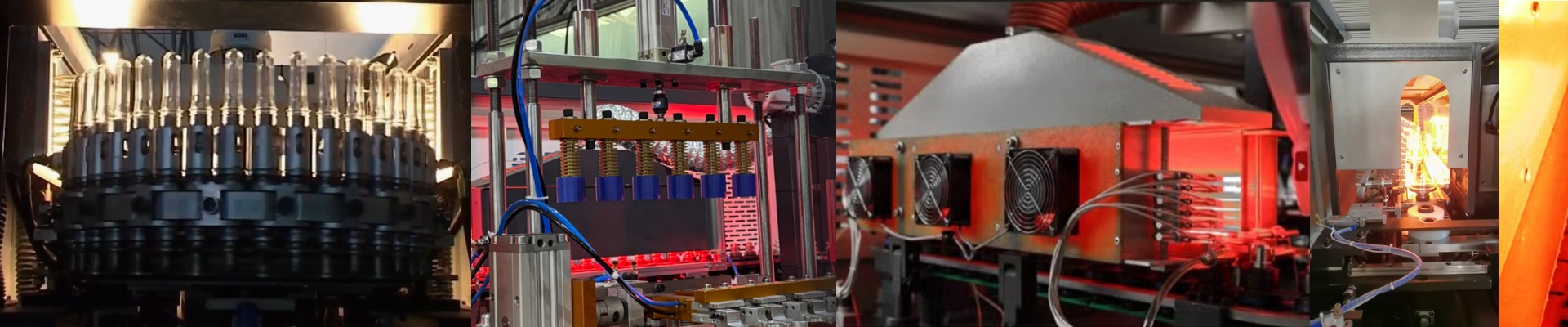
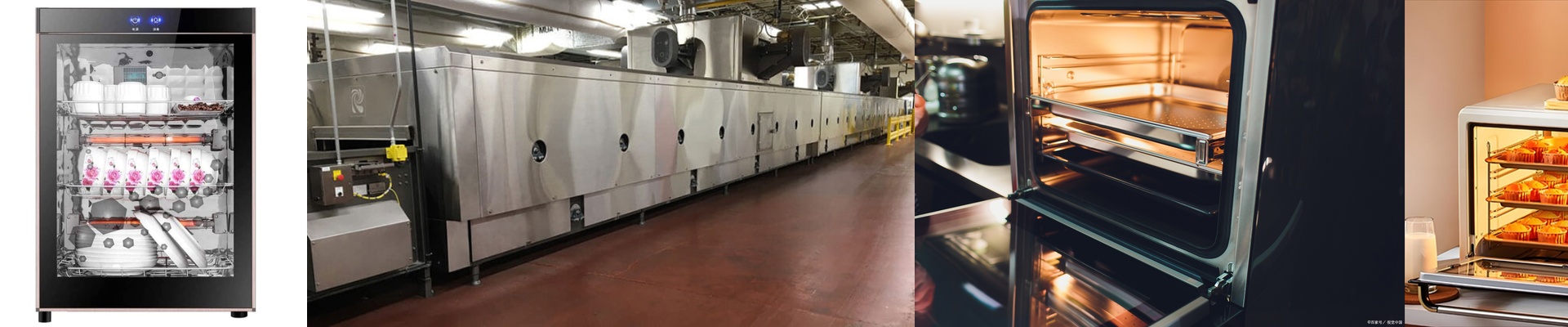
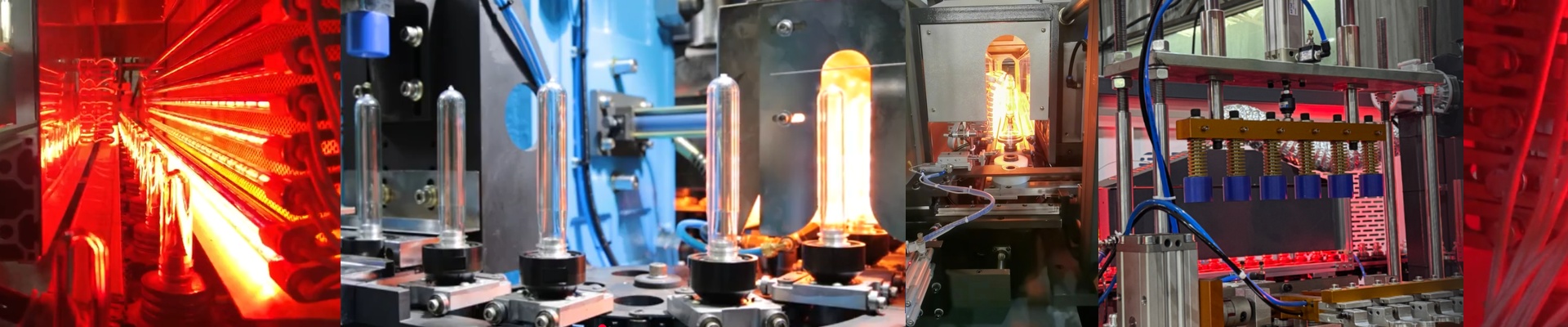
Ever wonder why some industrial loaves come out with that perfect, golden-brown crust while others just look… burnt? It usually comes down to something called thermal inertia. That’s just a fancy way of saying some heaters are “lazy.” Think about those thick ceramic elements or heavy coils. They soak up a ton of heat. The problem is, once you flip the switch off, they don’t actually stop heating. They keep bleeding energy into your bread long after the timer hits zero. That’s why we use single-tube infrared lamps. They’re lean. They hit the target temperature in seconds, and more importantly, they shut down just as fast. The battle against “Overshoot” Precision isn’t about how hot you can get; it’s about how quickly you can stop. If your controller tells the oven to stop at 220°C, you want it to actually stop. A heavy heater will keep pumping energy into the dough because it’s still glowing red. We call that “overshoot,” and it’s a great way to ruin a batch of bread. By stripping away all that bulk, we can tighten the temperature window to within ±1°C. It’s a night-and-day difference in consistency. The Trade-off: Power vs. Patience These tubes pack a massive punch in a tiny package. Since they’re so compact, you can aim the heat exactly where the bread is, rather than wasting energy heating up the entire oven cavity. Your throughput goes up because you aren’t waiting around. But, there’s a catch. Because these filaments run so hot, they can be a bit temperamental. If your voltage jumps around or your airflow is off, you risk snapping the tungsten. You need a stable power supply—no spikes, no surprises—or you’ll be replacing tubes way sooner than you’d like. Less Stress, More Baking We designed these to be simple drop-in replacements for your existing arrays. Because they have so little mass, they don’t warp or groan as much when they heat up and cool down. That means your mounting brackets aren’t under constant stress. Less time fixing bent metal, more time actually running the line. It’s just simpler that way.