Cutting Carbon with Halogen Quartz Tubes
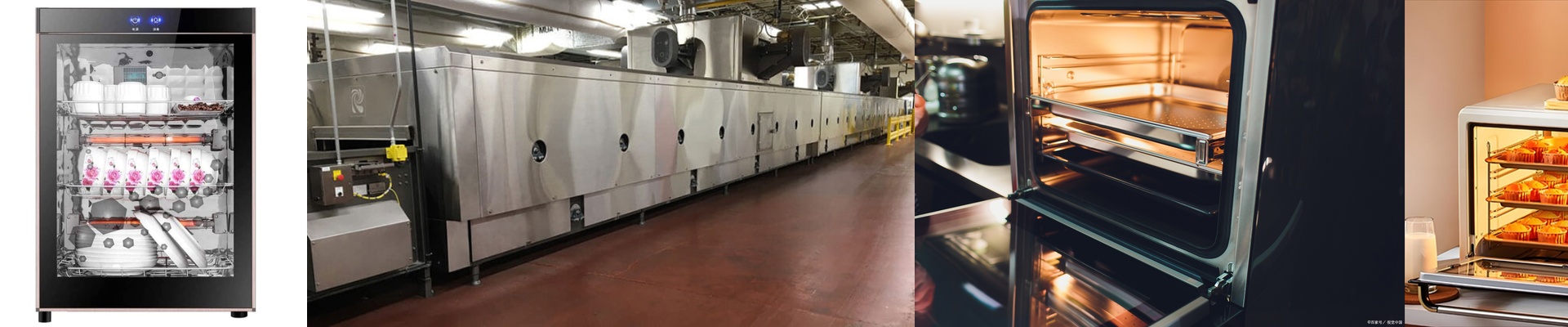
If you’re trying to get a kitchen to be “green,” the fastest win is switching to infrared (IR) heating. Think about a standard convection oven. It spends half its time just heating up the air and the metal walls of the box. It’s a waste. Halogen quartz tubes fix this. Instead of warming the air, they shoot short-wave radiation straight into the food.
How the heat actually works
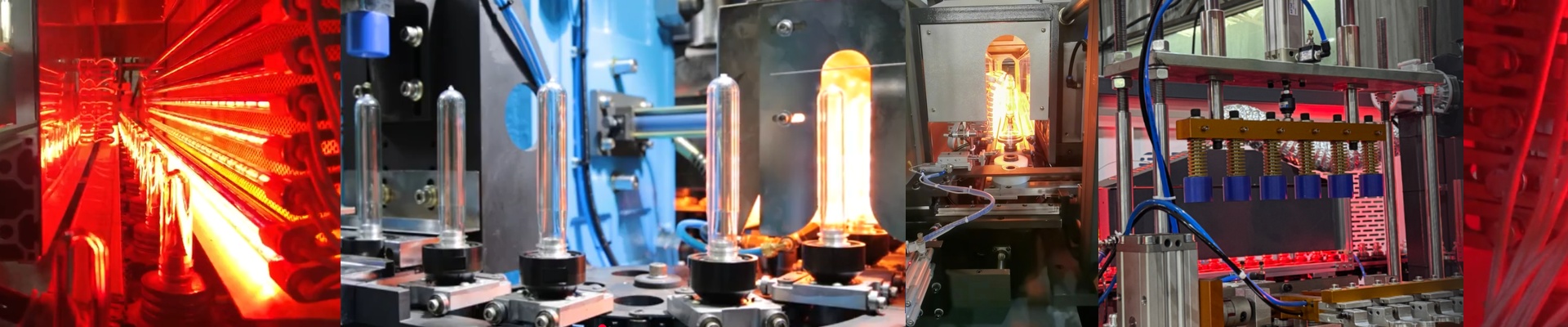
Inside these tubes, there’s a tungsten filament wrapped in high-purity quartz and filled with halogen gas. That gas is the secret sauce—it lets the filament run way hotter without just burning out. The result?Instant heat. You don’t have to wait 30 minutes for a preheat. You just flip a switch and you’re cooking. That alone kills a huge chunk of idle power draw and makes the whole bake cycle way kinder to the planet.
The nitty-gritty on setup
When you’re picking your tubes, remember that voltage and wattage are what drive your speed. If you want that perfect, blistered pizza crust in a matter of seconds, you’ll want high-wattage lamps for that intense top-down heat. We usually stick with R7s or SK15 connectors. They’re standard, which means they just slide right in without a fight. One heads-up: quartz is great because it lets the IR rays pass through without soaking up the heat, but it’s sensitive.**Keep the glass clean.**If grease builds up on the tube, it creates hot spots. And hot spots lead to cracks.
A few things to watch out for
IR heating is fast, but it’s aggressive. Because the heat is so concentrated, you can’t just “set it and forget it.” You’ll need to tweak your PID controllers carefully. Otherwise, you’ll end up with a charred top and a raw bottom on your pizza. Also, all that heat density means your oven needs to breathe. Make sure your chassis has proper venting. If the air around the sockets gets too stagnant, you’re looking at melted wiring—and nobody wants that.