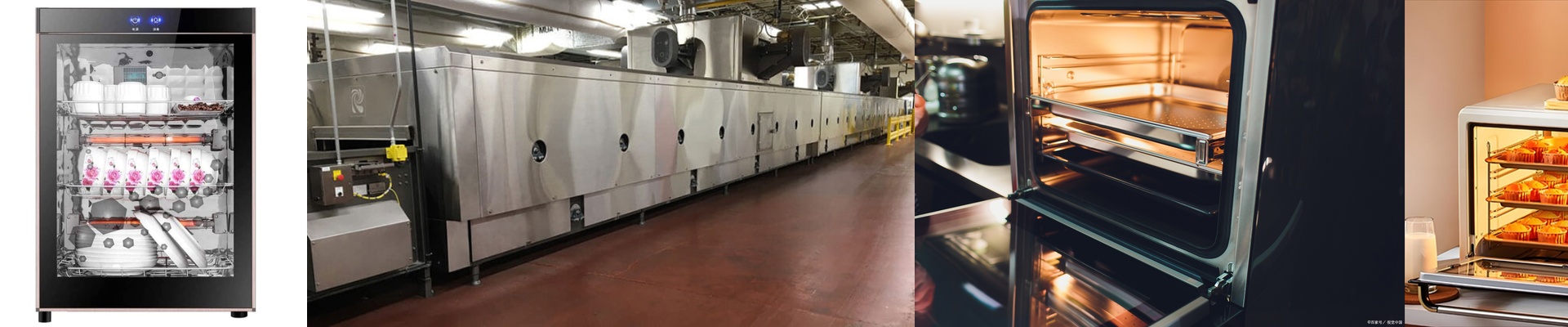
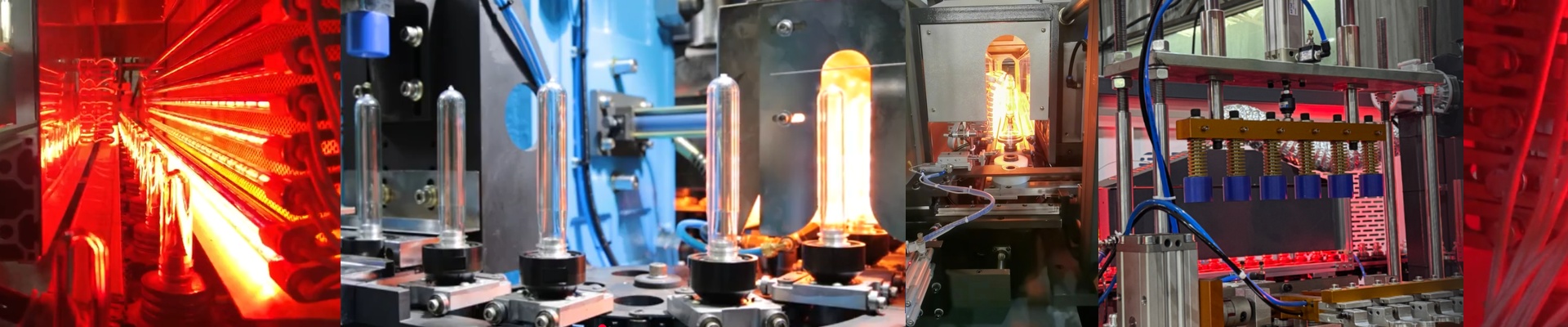
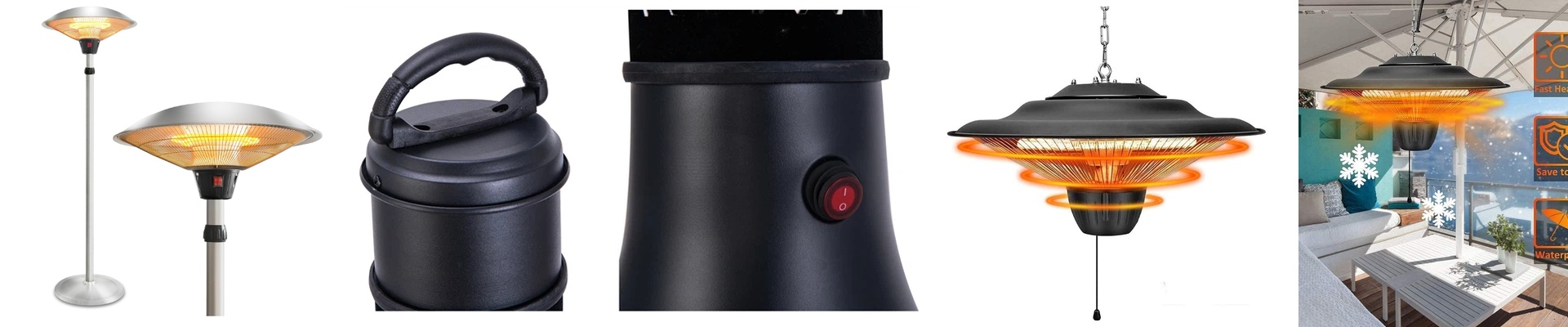
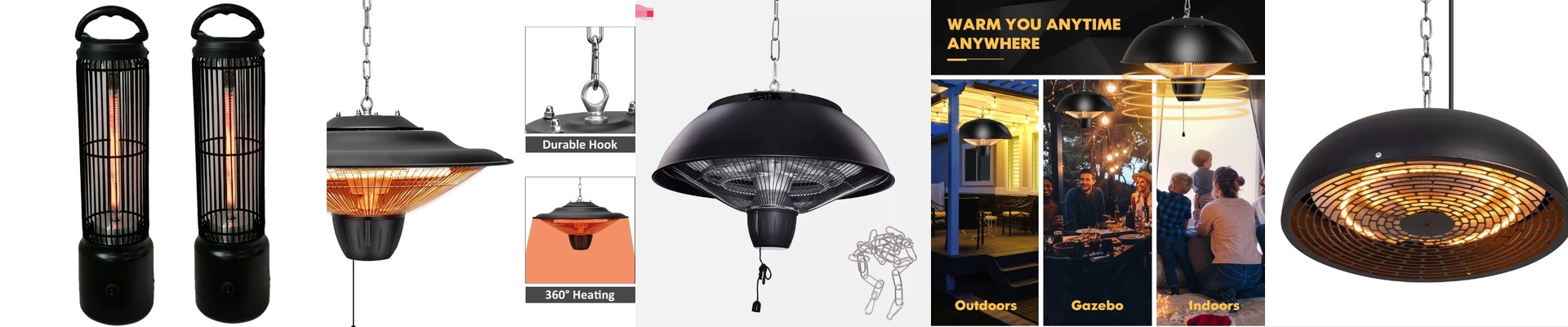
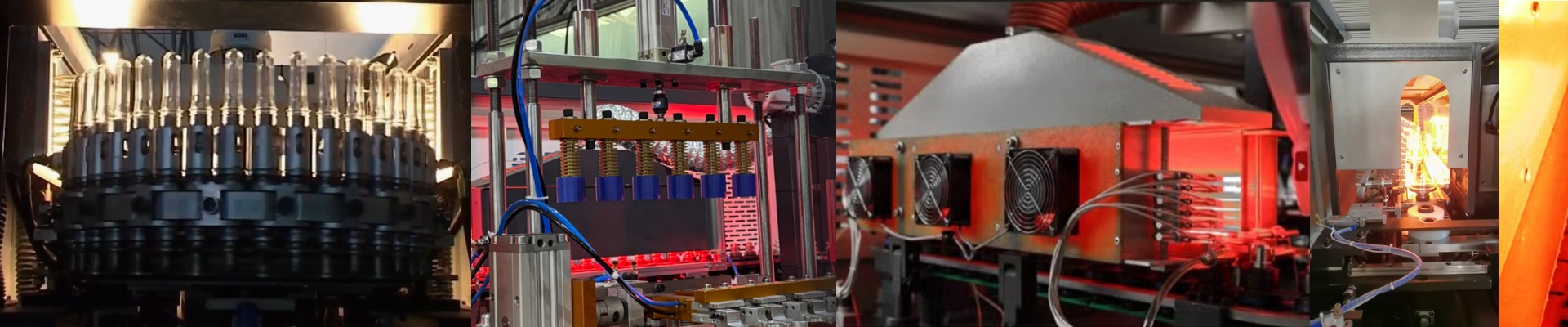
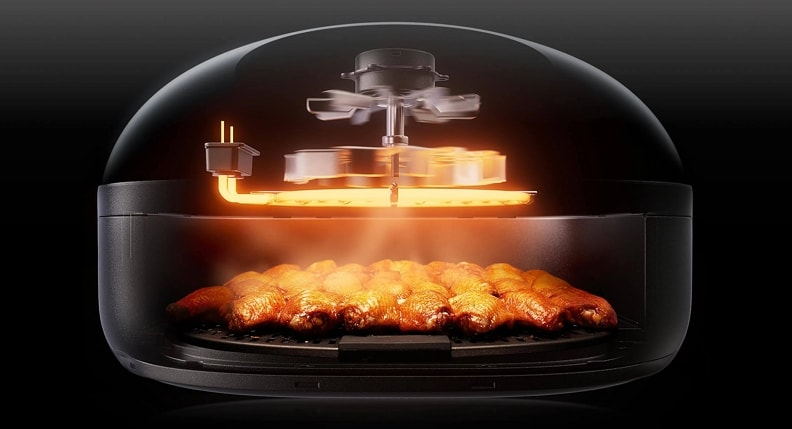
Ever notice how a sudden cold snap or a drafty kitchen can totally mess with your bake? It’s frustrating. One minute everything is fine, and the next, your oven is struggling to keep up because the room temperature dropped ten degrees. Your consistency goes right out the window. To fix this, we use infrared (IR) bulbs hooked up to a smart compensation system. Here is the problem with standard heating elements: they’re slow. They take forever to heat up and even longer to cool down. It’s like trying to steer a cruise ship—you can’t just pivot on a dime. But IR lamps? They’re instant. We pair them with a high-precision PID controller that basically acts as the brain of the operation. The second a sensor feels a dip—maybe someone left the door open too long or a cold breeze hit the oven—the controller kicks the IR bulbs into high gear. It fills that heat gap immediately, before your bread even notices something happened. On the hardware side, we use high-grade quartz glass. It has to be, otherwise the humidity in a bread oven would eat the bulbs alive. We calculate the wattage based on how big your oven is, so you get enough heat to keep that crust perfect without accidentally torching the loaf. To make the pulsing work, we wire everything into a fast-switching relay or an SCR. It’s what allows the system to “flutter” the heat for that pinpoint accuracy. Now, there are a few things to keep in mind. This kind of precision comes with a trade-off. You’re adding more electrical load, so you’ve got to make sure your wiring can handle the peak amperage when the system is working overtime. And a word of warning: quartz is fragile. If your crew is a bit rough during the cleaning shift, those bulbs will snap. I always suggest putting them behind a heat-resistant shield just to be safe. It takes the “yo-yo” effect out of your temperature. No more guessing, no more ruined batches. Just a steady hold and bread that looks the same every single time.