Can domestic carbon fiber tubes actually handle the grind?
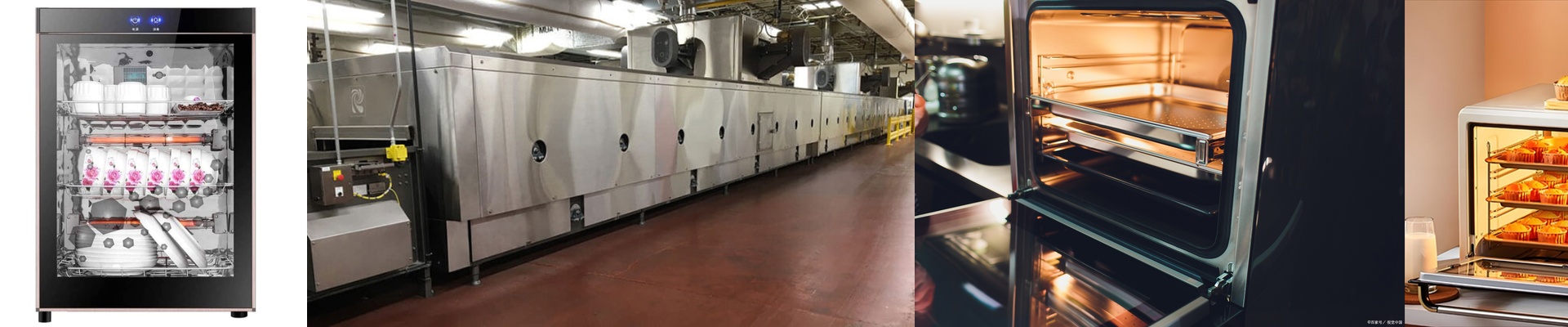
If you’re running a convection oven for 10 hours a day, you know the stress. It’s a constant battle. You’re cycling power over and over to keep those temperatures exactly where they need to be. The big question usually comes down to this: can a domestic carbon fiber tube actually keep up with the expensive global brands, or are you just inviting a burnout every few months?
Why carbon fiber actually works
Most people are used to tungsten coils, but carbon fiber is a different beast. We use a carbon-carbon composite that doesn’t “evaporate” the way metal filaments do when they get hit with high current. In a convection oven, the forced air does the heavy lifting by stripping heat away from the tube. This keeps the quartz envelope from getting too hot. That’s usually where the cheap stuff fails—it just can’t handle the heat soak.
The 10-hour daily test
Here’s the reality: the gap is almost gone. By tightening up how the filaments are wound and using high-purity quartz, domestic high-grade tubes are hitting the same marks as the big names. You get the same heat flux. The same infrared curve. But there’s a catch. These tubes are picky about your power. If your factory electricity is “dirty” or fluctuates, your filaments are going to take a beating regardless of who made the tube. You really need a solid PID controller. Without one, those aggressive power spikes will kill your hardware fast.
Swapping them out
We made these to be simple. You just drop them in. No rewiring. No changing the footprint of your oven. Since they match the dimensions of the leading brands, you can just swap them during your usual downtime and get back to work. One quick tip: keep an eye on your connectors. If your shop is humid or a bit corrosive, those points can oxidize. Use a proper heat-resistant terminal. It’s a small detail, but it stops you from losing power right at the contact point.