Why a Fast Oven Saves You Money (and Your Bread)
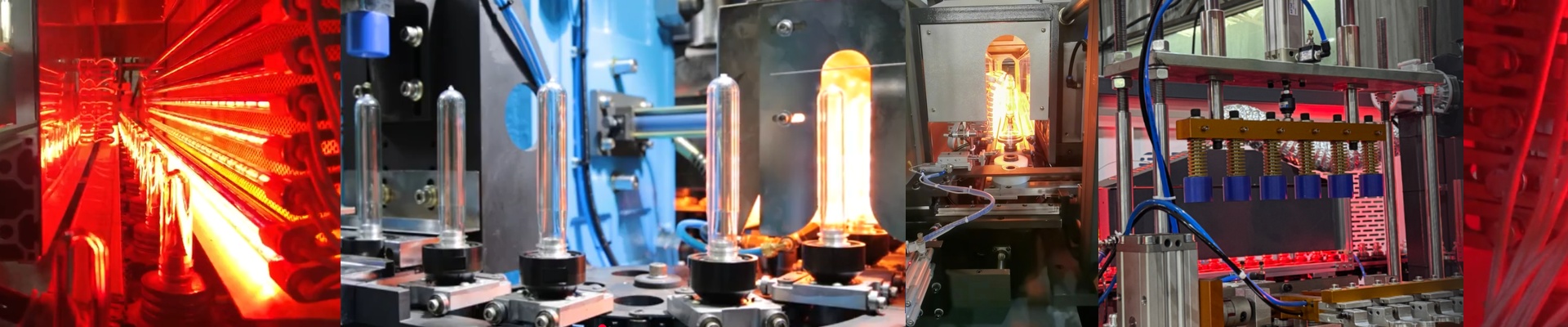
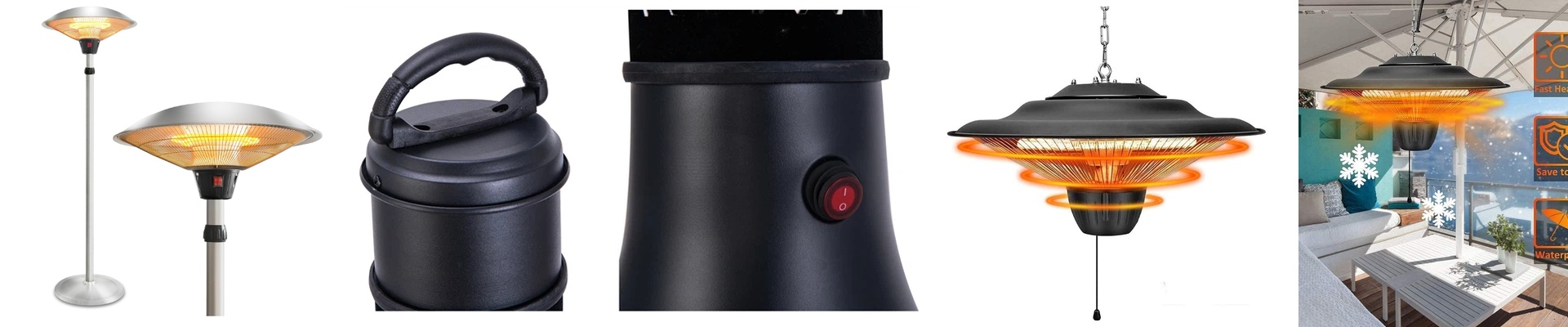
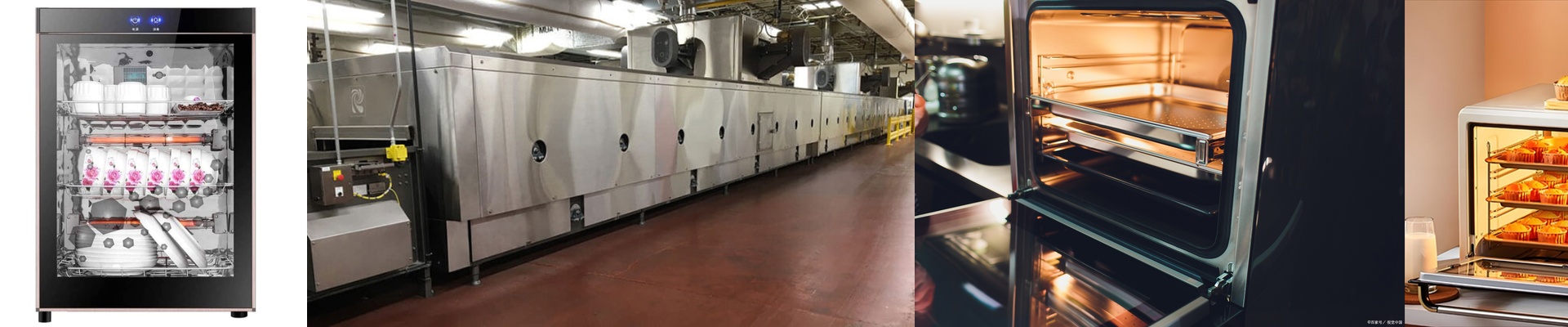
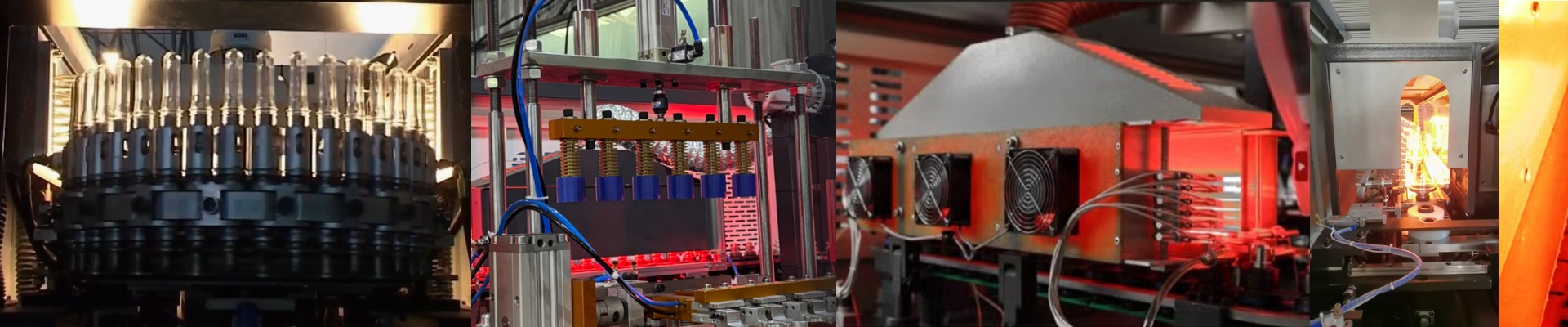
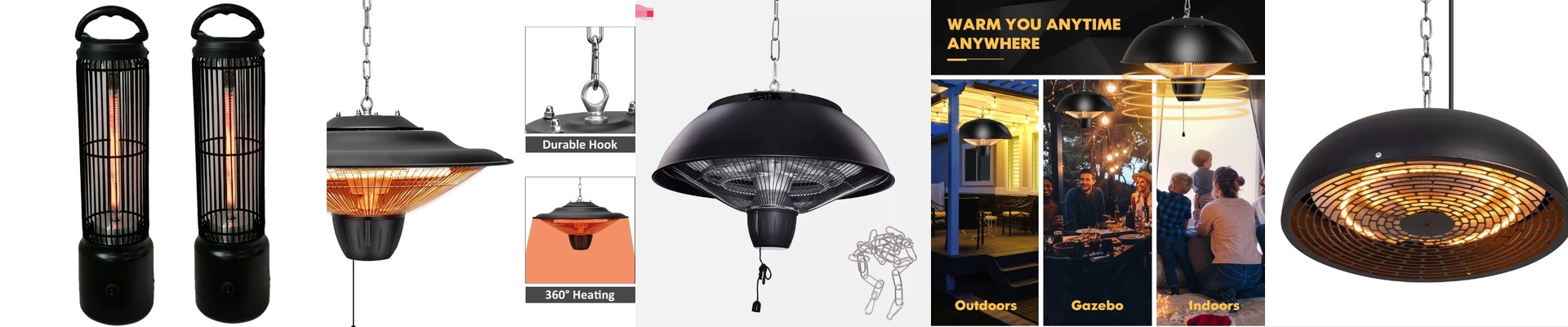
Here is a little secret about most bread ovens: they’re usually too slow to react. Most of them use heating elements that act like a heavy freight train—they take forever to get moving, and once they’re at full speed, they can’t just stop on a dime. We call this “thermal lag.” In plain English? Your oven keeps pumping out heat even after the thermostat tells it to quit. That’s how you end up with “overshoot,” where the oven gets way hotter than you actually wanted. It’s a waste of electricity, and it’s a nightmare for your crust. The magic of quartz We do things differently. We use tungsten filaments tucked inside high-purity quartz tubes. Because quartz doesn’t hold onto heat the way heavy metals do, it hits the target temperature almost instantly. And the second you cut the power? The heat drops. Just like that. It gives you a much tighter grip on the temperature. No more burnt crusts hiding a raw, doughy center. You get exactly the heat you asked for, nothing more, nothing less. Getting the heat where it belongs We designed these tubes to be transparent to short-wave infrared radiation. That sounds technical, but all it really means is that the heat shoots straight into the dough. You aren’t wasting energy heating up the air or the oven walls first. The bread takes the hit directly. It’s faster, leaner, and just makes sense. A quick word of caution Now, you have to treat these things with a bit of respect. Quartz is brittle. If you crank down the mounting clips too tight or use the wrong connector, the tube will crack as it expands. Also, keep your fingers off the glass. The oils from your skin can create “hot spots” on the quartz, which will burn the tube out way sooner than it should. Keep it clean, keep it loose, and it’ll last. The bottom line for your wallet When your oven doesn’t spend ages “warming up” or fighting its own overheating, you save a lot of time. For a busy bakery, shaving a few minutes off every cycle adds up to some serious cash at the end of the month. Just make sure your power supply is steady. These tubes are fast, but a big voltage spike can fry a filament much quicker than it would a chunky cast-iron element. Keep the power stable, and let the quartz do the heavy lifting.