Getting That Perfect Crust with Frosted Quartz IR
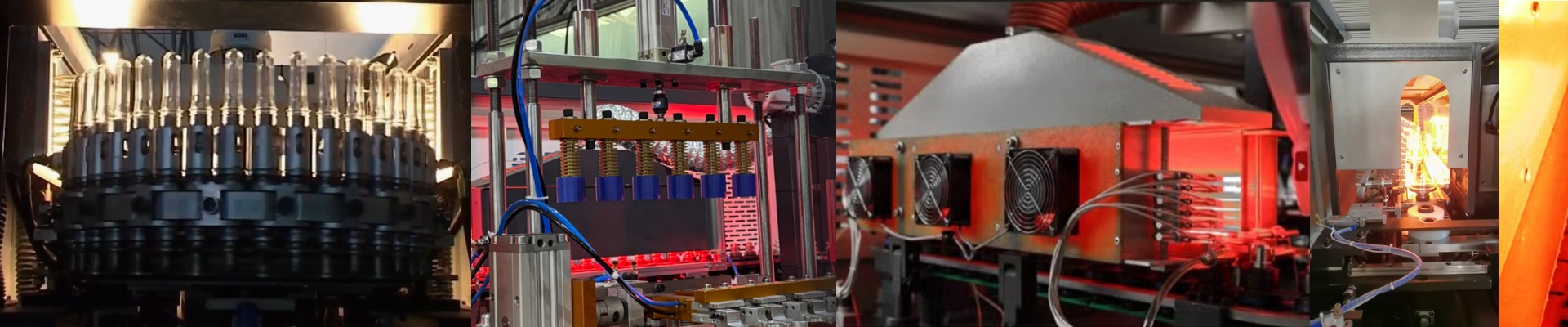
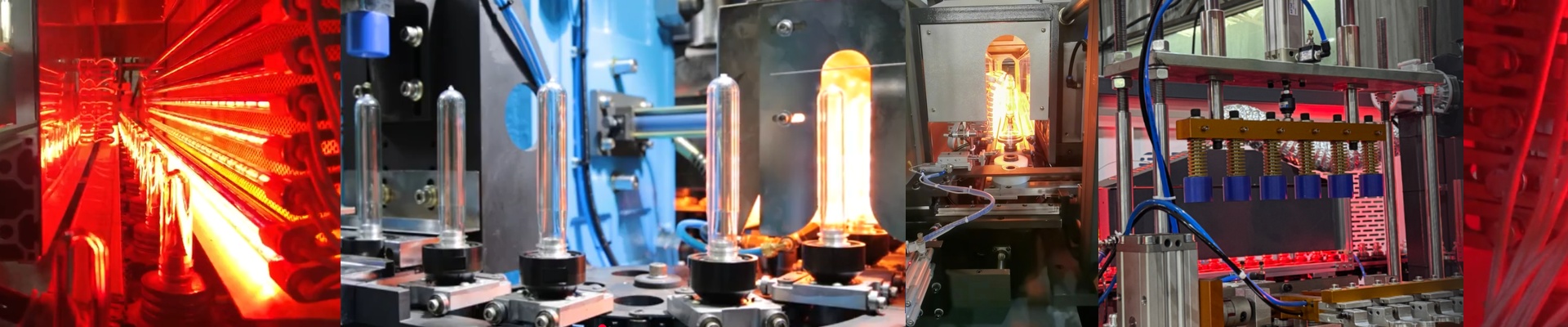
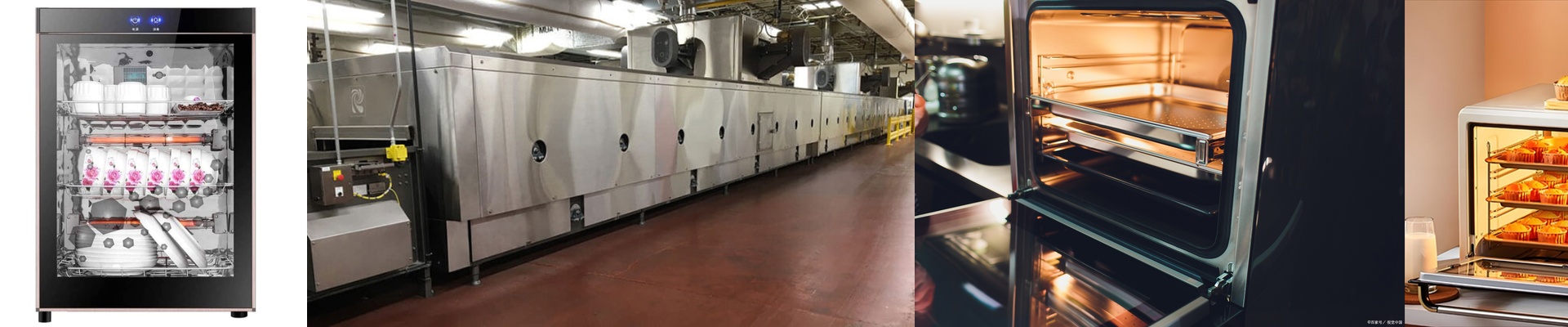
You know that exact moment when food goes from “almost there” to perfectly charred and crispy? That’s the sweet spot. If you’re a few degrees too low, your food just steams and looks sad. Too high, and you’ve burned the sugars. It’s a tight window. To hit it every time, we use frosted quartz infrared lamps in our convection ovens. They give us a level of control that’s almost instant.
Why “Frosted” Actually Matters
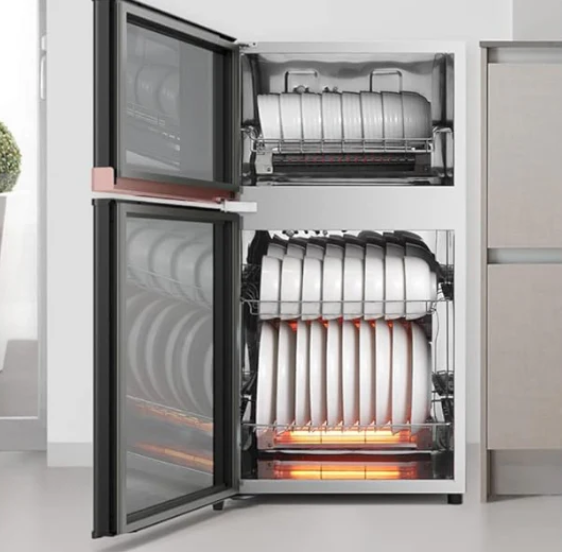
If you use a standard clear quartz lamp, you get a concentrated beam of heat. In a real oven, that’s a recipe for disaster—you end up with hot spots that ruin half your batch. By using a frosted finish, we diffuse that radiation. Instead of a laser beam, you get a wide, even spread of heat across the surface. You aren’t just praying the oven fan moves the air fast enough; the energy is actually hitting the food where it needs to.
Speed is Everything
Here is the best part: these lamps heat up and cool down almost instantly. Traditional heating elements are bulky. They hold onto heat, which means they lag. By the time a traditional element cools off, your food is already overdone. Quartz IR lamps respond to voltage changes in milliseconds. When you pair these with a PID controller, you can pulse the power. You can catch the Maillard reaction right as it peaks and kill the heat immediately. No guesswork. Just a perfect crust.
A Few Things to Watch Out For
It’s not all magic, though. There are some trade-offs. High-density IR heating puts a lot of stress on the quartz. These tubes are fragile. You have to make sure your team knows not to bump them during cleaning, or you’ll be replacing them. Also, keep an eye on your ventilation. Because the heat transfer is so aggressive, the chamber can get overwhelmed if the air isn’t moving. If the heat builds up too fast, you lose that precision we’re aiming for. If you’re looking to swap out your current heating arrays for something that actually browns the surface, these are a great fit. Just double-check that your connectors can handle the peak current so you don’t fry your terminals.