Stop the Bottleneck: Getting More Bread Out the Door with IR
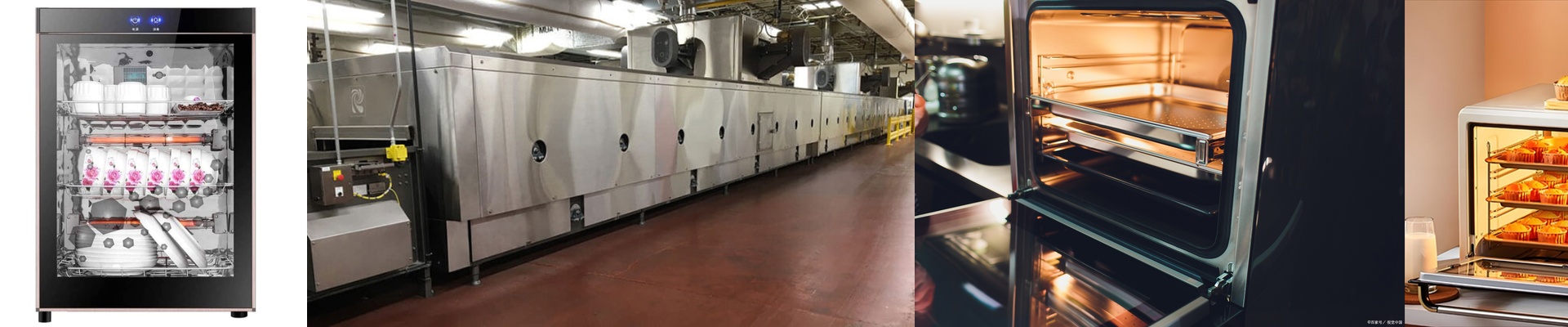
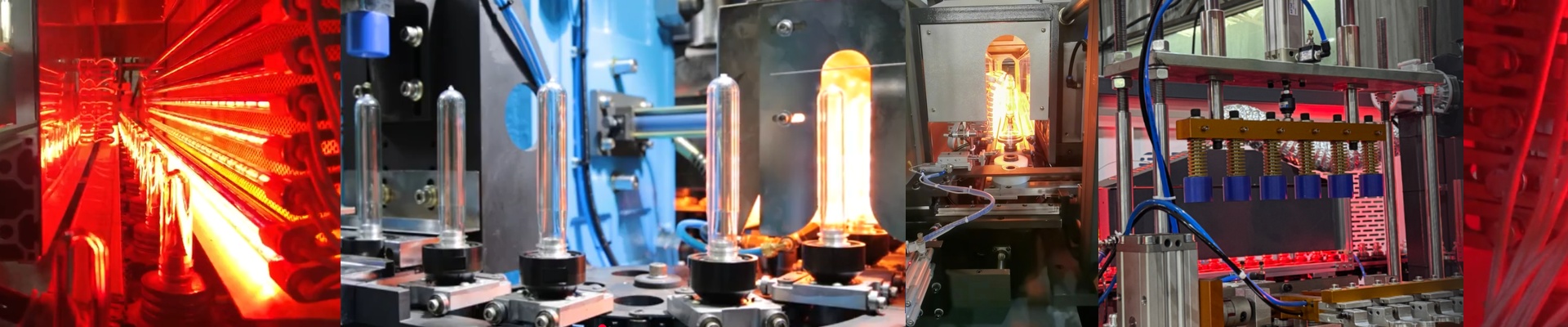
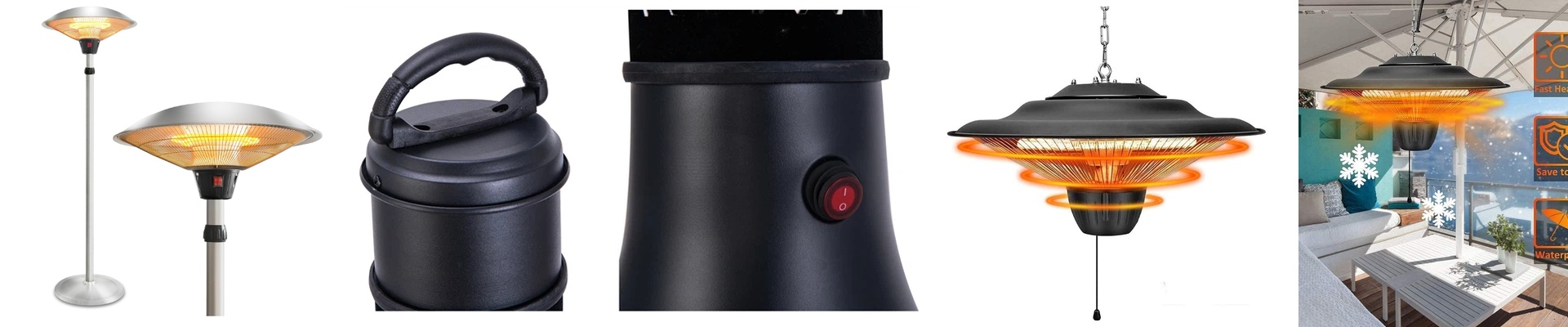
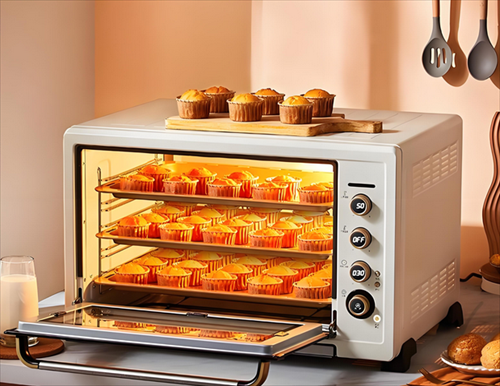
Ever feel like your bakery line is sprinting, but everything just grinds to a halt at the browning stage? It’s a common headache. You want to push more pieces per minute, but you don’t have the floor space to just add another ten feet of conveyor belt. That’s where 110V short-wave infrared (IR) lamps come in. Here is the secret: convection heating is slow because it has to warm up the air first. IR is different. It hits the dough surface directly. It’s immediate. Why 110V? We stick with 110V because it plays nice with standard North American control circuits. It means you aren’t messing around with bulky, expensive transformers in your smaller oven modules. Inside the lamp, you’ve got a tungsten filament wrapped in high-purity quartz. It hits operating temperature almost the second you flip the switch. You aren’t wasting power heating up the oven walls or the air around the bread—you’re putting the heat exactly where it belongs. Getting Them Installed Most of these units use R7s or SK15 connectors. If you’ve got an OEM heating bank, these usually just slide right in. One pro tip: the quartz is tough and can handle the constant heating and cooling, but the oven ceiling can be a different story. If you’re worried about your casing warping from the heat, go with a gold or aluminum coating. It reflects the heat back down onto the product and away from your equipment. The Speed vs. Burn Balance This is the part that really changes your day. You can get that perfect golden-brown crust in about 30 seconds—something that usually takes a convection oven two full minutes. But, there’s a catch. Because the heat is so intense, the window between “perfect” and “charred” is tiny. You can’t just “set it and forget it.” You’ll need a PID controller and a thermocouple that reacts fast. If your belt slips or stops for even a few seconds, you’re going to have a tray of burnt bread. You have to make sure your line speed and your lamp wattage are perfectly in sync. It takes a little tuning, but once you nail it, the throughput is incredible.