Getting Your Bread Crust Just Right with 110V IR Bulbs
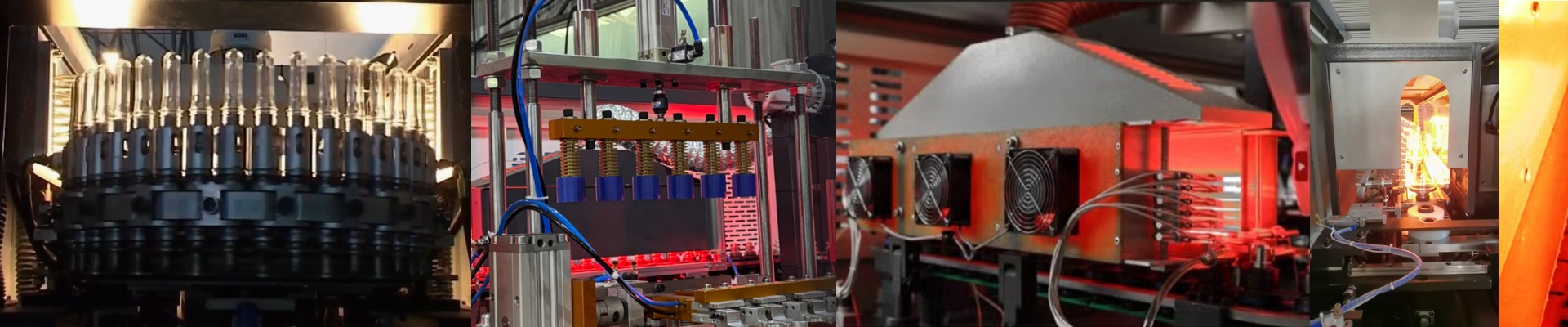
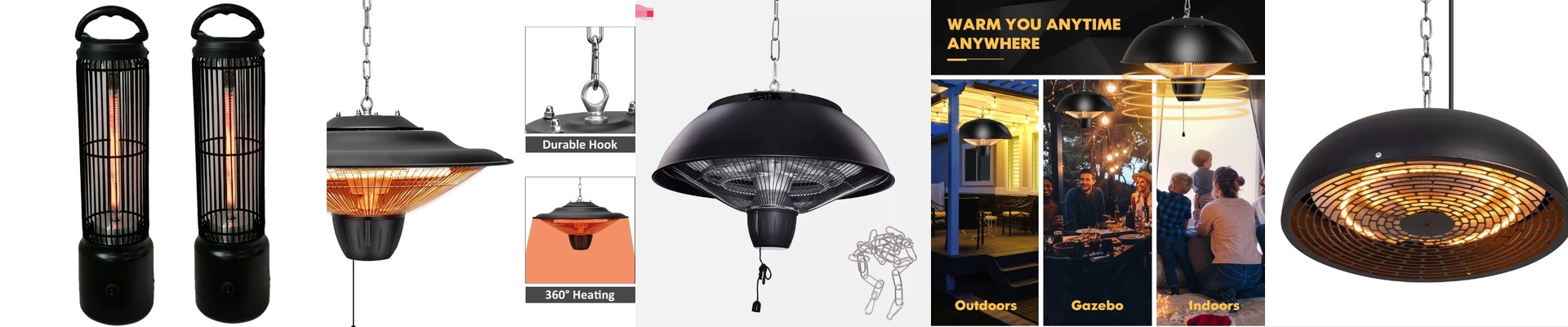
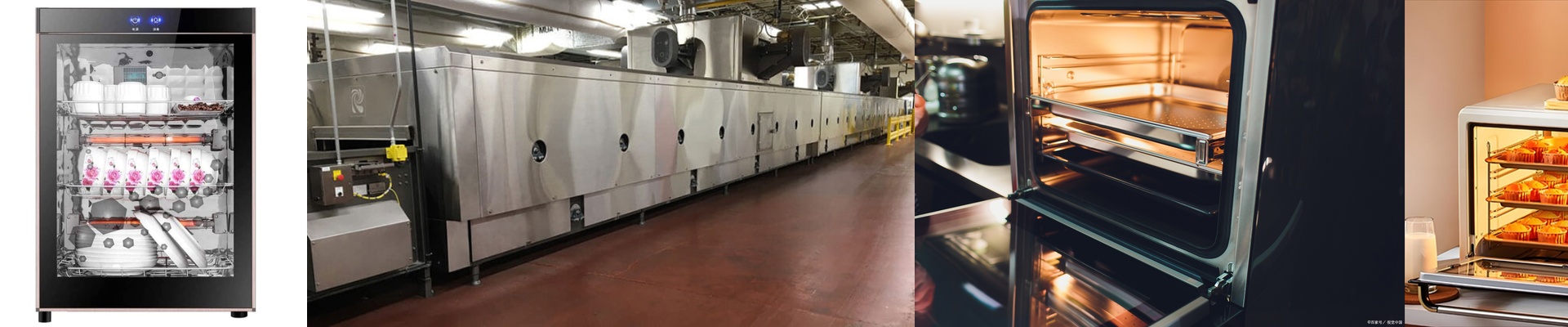
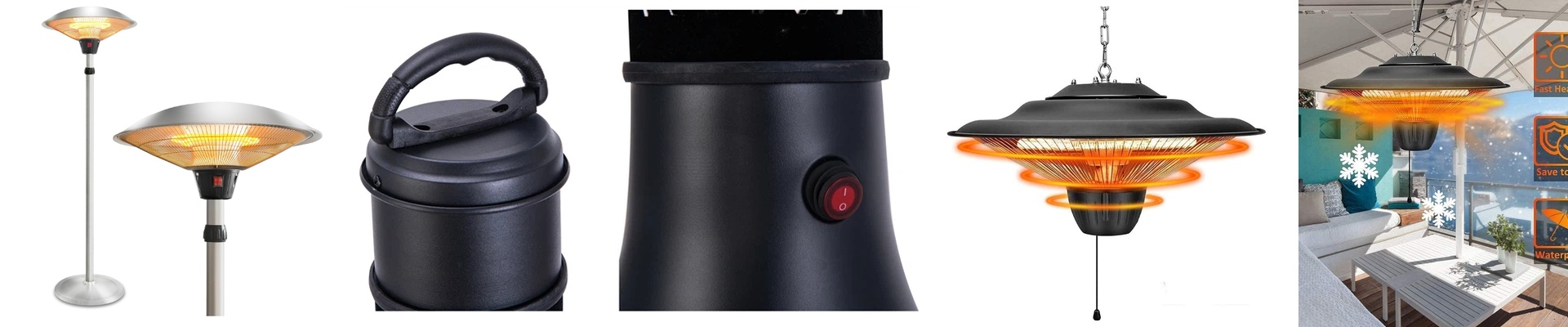
If you’ve ever spent a morning staring into an oven, you know the struggle. One minute your loaf is a pale, sad white, and the next? It’s burnt. There’s this tiny, frustrating window where the crust turns that perfect golden brown, and missing it by even a degree can ruin a batch. That’s why we use 110V short-wave infrared (IR) bulbs. Instead of waiting for the air in the oven to heat up—which takes forever—these lamps shoot heat directly into the bread. It’s fast. Really fast. Why 110V? Basically, it just plays nice with the power grids most bakeries already have. We use quartz envelopes for the bulbs because they can handle insane heat without cracking or warping. The best part is the control. Since IR heat travels in a straight line, you can point it exactly where you need it. You can blast the top of the loaf to get that beautiful color without scorching the bottom. It’s like having a spotlight, but for heat. The Nitty-Gritty Stuff Inside these bulbs, there’s halogen gas. It sounds technical, but all it really does is push evaporated tungsten back into the filament. This keeps the bulb from burning out every time you cycle the power. We also make sure the connectors are simple. We use R7s or similar push-fit bases. If a bulb pops, you just swap it out. No need to call an electrician or spend an hour rewiring the whole heating bank. You just pop a new one in and get back to baking. A Few Things to Watch Out For Now, these bulbs pack a punch. They create a huge amount of heat in a very small space, which is a dream for high-volume bakeries that need to move fast. But there’s a catch. Because the energy is so concentrated, it puts a lot of pressure on your sensors and PID controllers. If your thermocouples are off or tucked too far away from the heat, you’ll end up overshooting your temperature. Also, don’t forget about the airflow. You’ve got to make sure your fans and vents can actually move that ambient heat away from the lamp housing. If you don’t, you might find your oven frame starting to warp. Keep the air moving, keep your sensors calibrated, and you’ll have the perfect crust every single time.