Why the Best Bakers are Moving to Infrared Steam Ovens
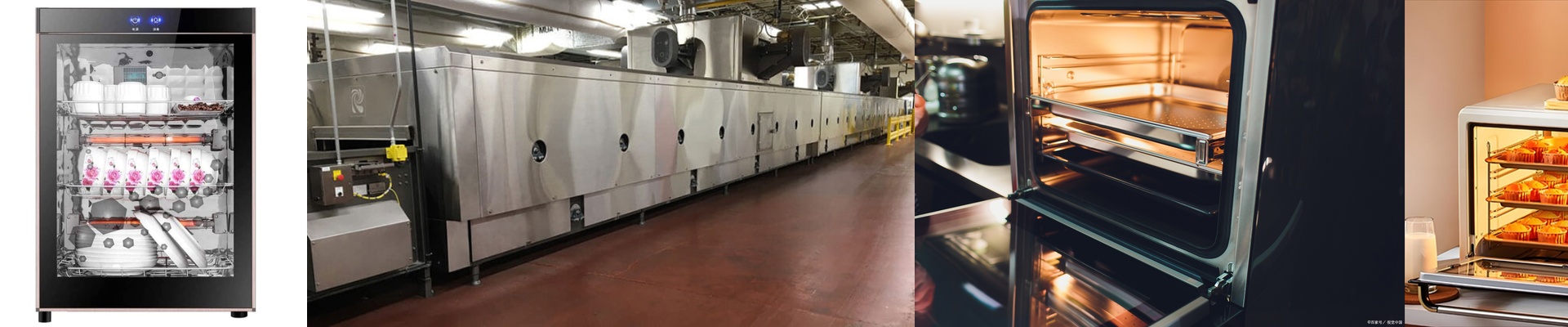
Most ovens rely on air to move heat around. It’s a slow process. If you’re chasing that perfect, professional crust and a serious oven spring, waiting for air to warm up just doesn’t cut it. You need heat that hits the dough the second it goes in. That’s where infrared (IR) heating comes in.
The secret to that instant hit
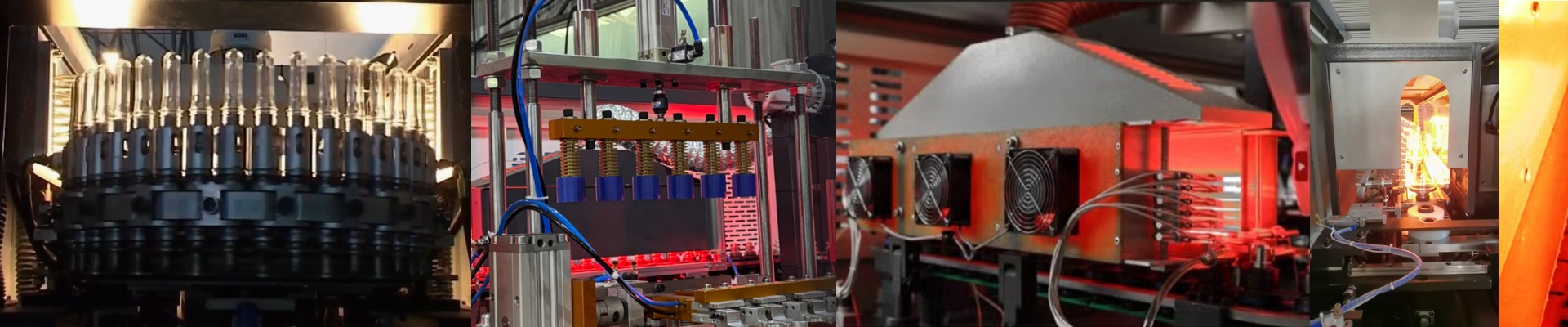
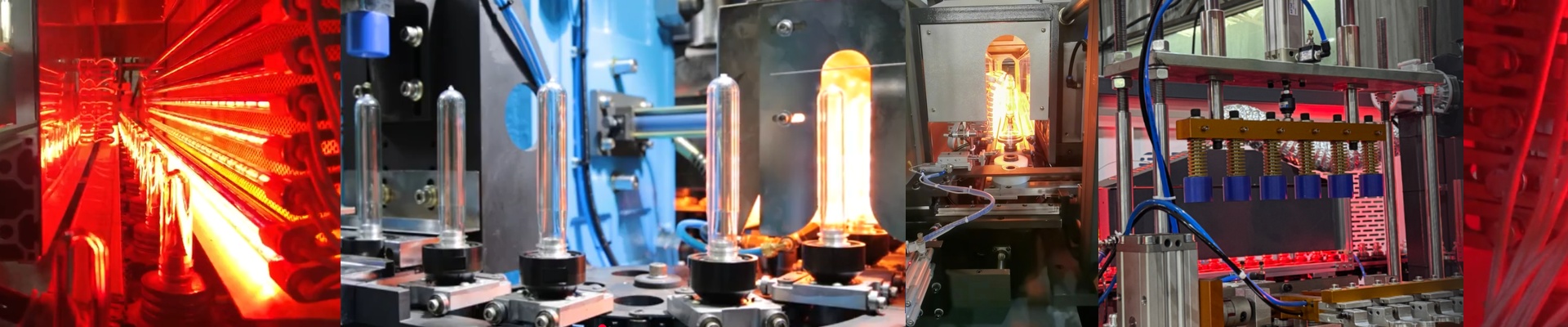
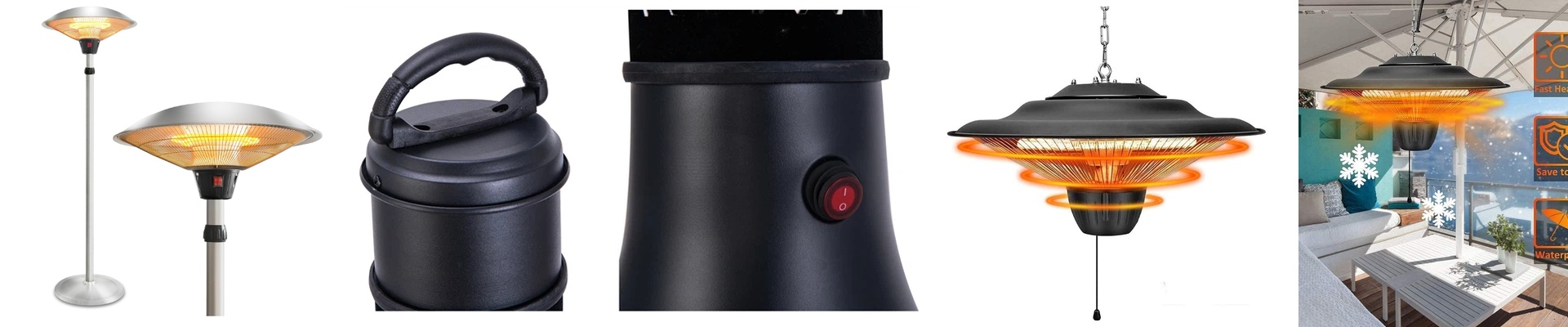
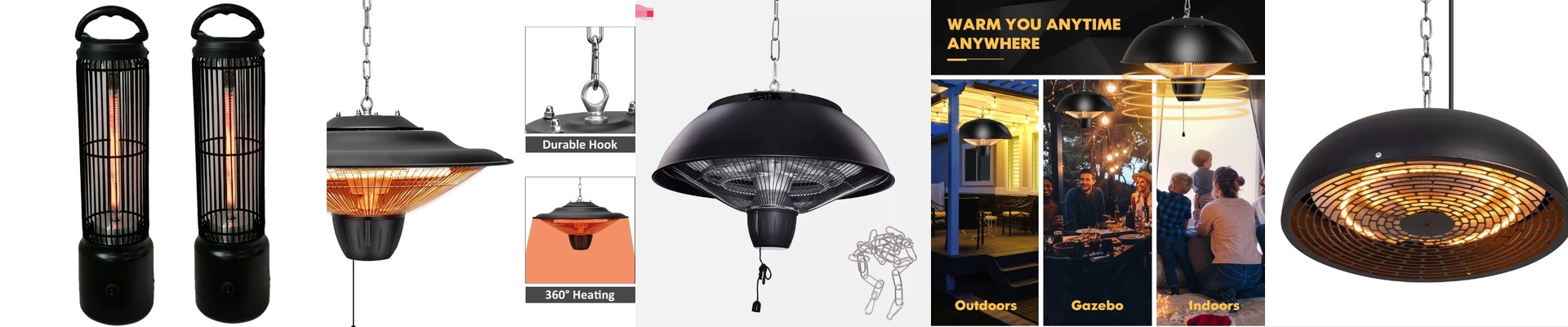
Standard heating elements take forever to get up to temp. IR lamps—the quartz-halogen kind—are different. They hit peak power in seconds. Instead of heating the air and hoping it reaches the bread, IR sends energy straight into the surface. It’s a massive burst of heat that kicks the Maillard reaction into gear way faster than steam could do on its own. You get that deep, rich color and crunch without the long wait.
Getting the build right
Steam ovens are brutal environments. To keep the filaments from oxidizing and dying in all that humidity, we wrap these elements in quartz glass. The real trick is the power density. If you use a lamp with high wattage over a short length, you get a much sharper temperature spike. But be careful—this puts a lot of pressure on your controllers. If you’re wiring up a high-wattage IR array, you’ve got to tune your PID controllers for fast cycles. If you don’t, the oven will overshoot the target and you’ll end up with a burnt crust while the middle is still raw. Not a great look.
The trade-off
Here’s the catch: IR lamps are fast, but they’re fragile. If a drop of cold water hits a hot lamp during a steam injection, the glass can crack. It’s a pain. To stop this, we usually install a protective shield or move the lamps away from the steam nozzles. You lose a tiny bit of efficiency, but it’s worth it to keep your lamps from blowing out. Plus, it means the oven bounces back to the right temperature immediately after you open the door, so every loaf comes out exactly the same.