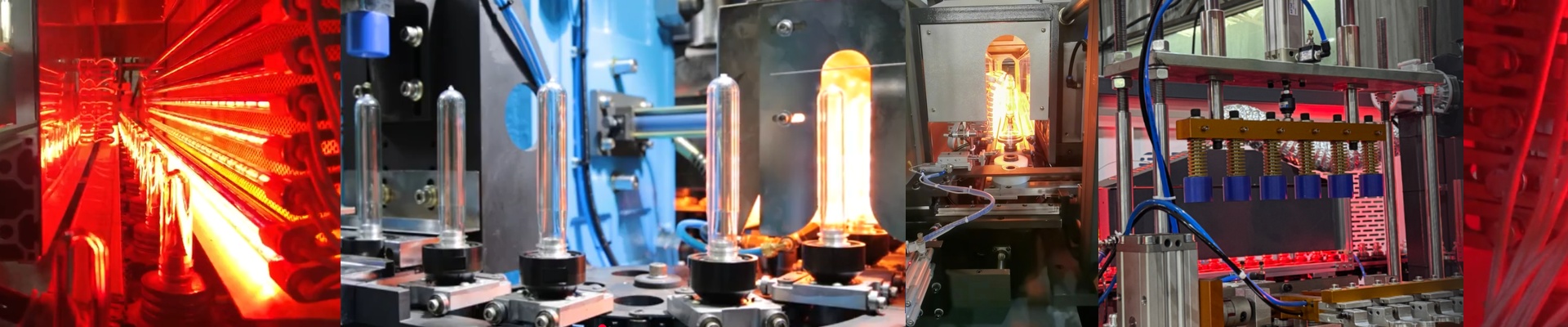
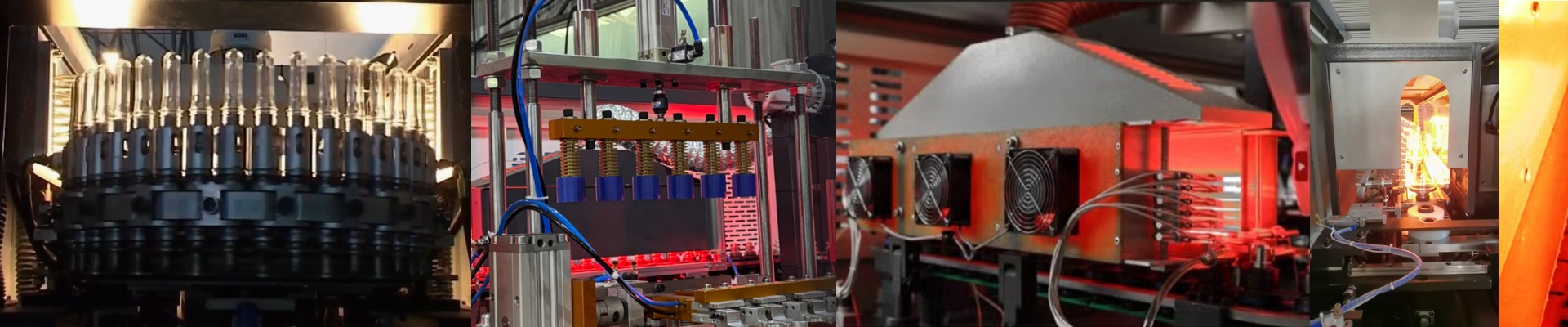
When your Sidel SBO 4 starts drifting on preform temperature, you know it immediately—bottles going off spec, scrap piling up, and the heating tunnel fighting you instead of doing its job. Generic infrared lamps rarely hit the watt density, spectrum, and mounting geometry the machine was designed around. The outcome is uneven heating, shorter lamp life, and maintenance windows that chew into uptime.
What matters under the hood
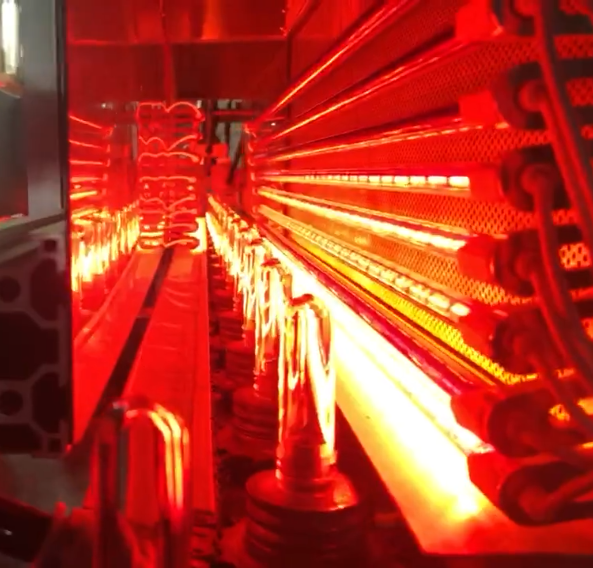
The Sidel SBO 4 infrared lamp is built as a direct-fit for the machine’s original heating emitter, with a short-wave infrared profile that targets PET preforms cleanly. We keep the OEM’s rated power, operating voltage, and quartz envelope dimensions so energy density stays consistent across the heating zones. The lamp uses an R7s connector and a specified arc length to sit flush in the SBO 4 tunnel, preserving focus and alignment. In practice, that means quicker recovery to set temperature after a jam clears, stable output over thousands of cycles, and heating behavior you can tune once and then run.
Why this matters on an SBO 4
On an SBO 4, preform heating isn’t just about getting things hot—it’s about hitting the right temperature profile before stretch blow molding. Restoring the intended heating curve cuts variability in bottle wall distribution and keeps scrap down. With stable output, you spend less time chasing temperature swings and more time running full shifts. Energy use drops when the heaters aren’t overworking to compensate for weak or aging emitters, and lamp changes happen less often because the quartz and filament are matched to the SBO 4 duty cycle.
The practical details
Installation is straightforward, but the heating tunnel is a harsh environment. Make sure the lamp ends are clean and fully seated in the R7s sockets, and check reflector condition—pitted or cracked reflectors scatter energy and hide performance. Handle the quartz with gloves or a clean cloth; even minor contamination can create hot spots and shorten life. Plan replacements during scheduled stops; swapping lamps when the machine is fully warm reduces thermal shock and prevents premature failure.