Introduction
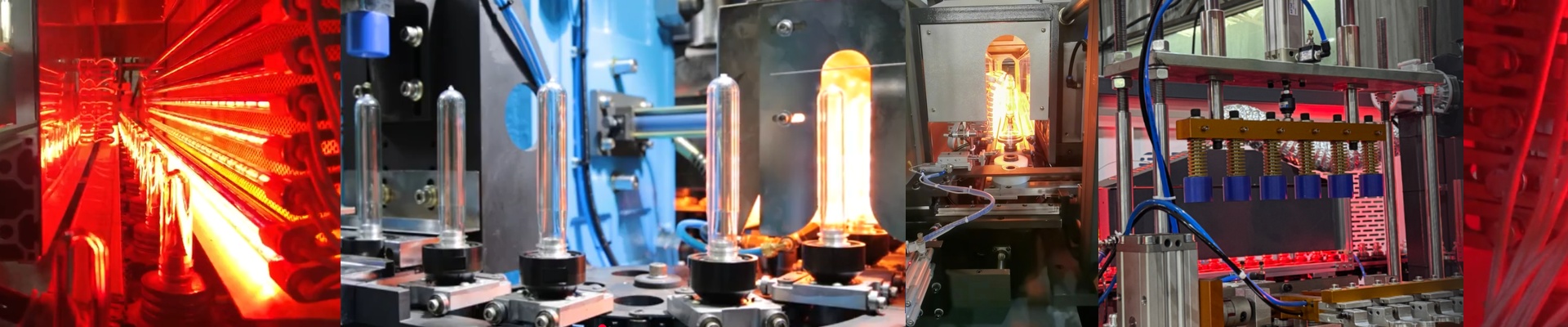
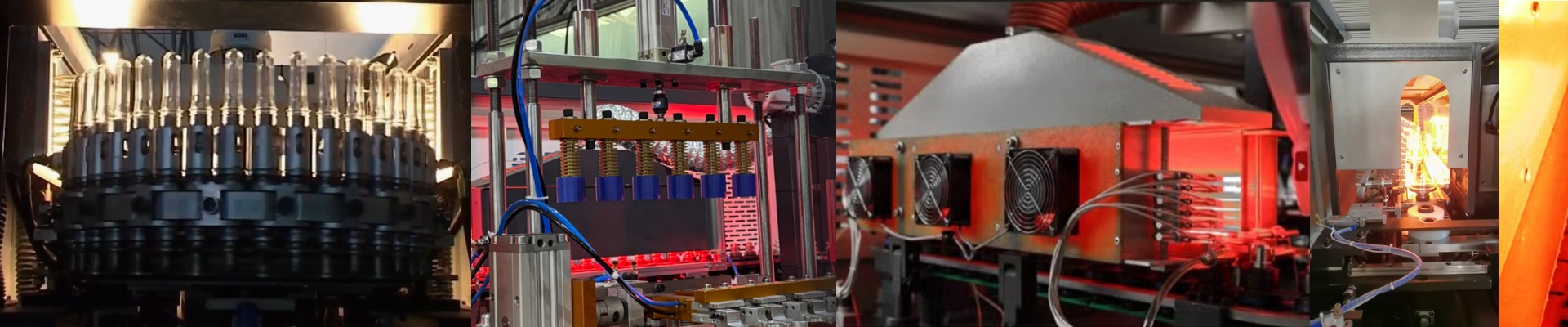
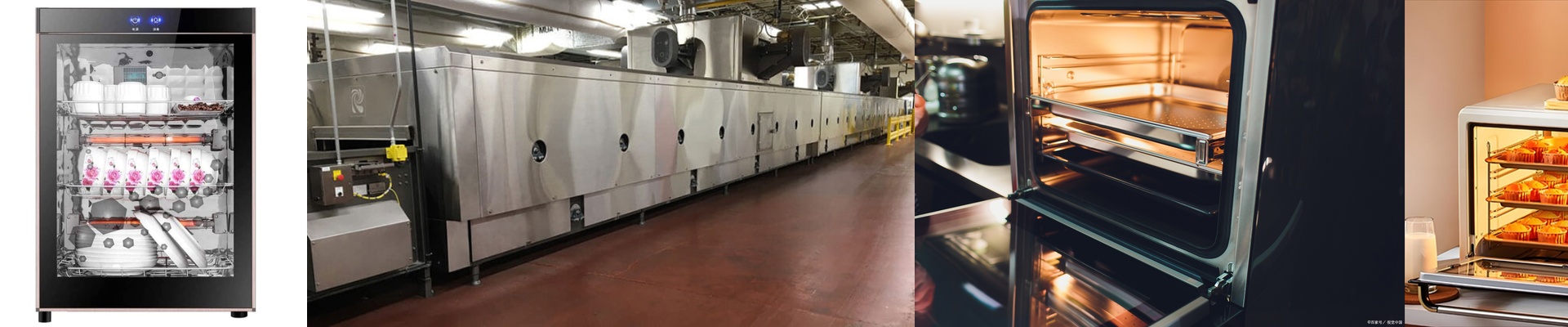
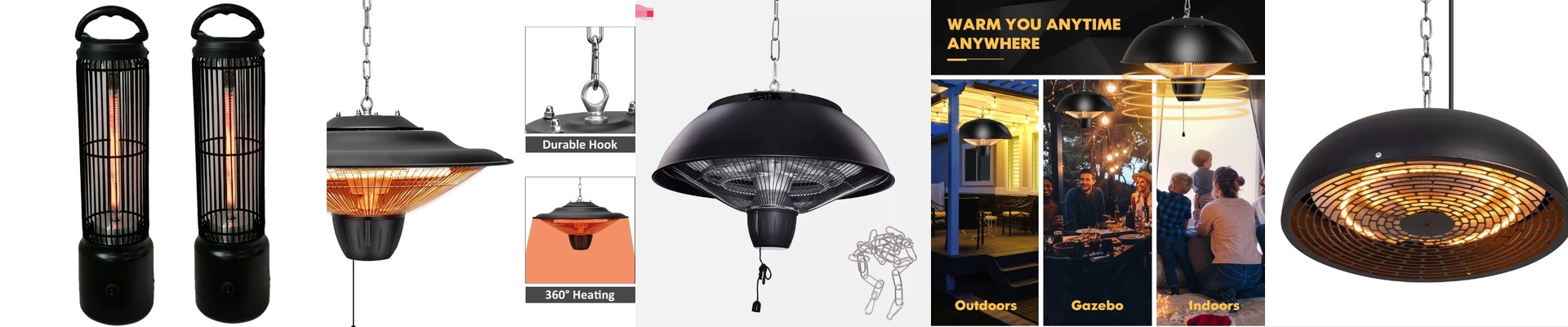
We built this infrared heater for one reason: to be the secret weapon in your commercial oven. Think of it as your right-hand man, delivering intense, targeted heat right where you need it most. It’s all about giving you control. The kind of control that gets you that perfect texture—crispy on the outside, tender on the inside—without making your main oven work overtime.
The Power Behind the Heat
Here’s the thing about getting that perfect sear: you need serious, focused power. That’s why this unit runs on a 2500W output at 400V. No ifs, ands, or buts. That kind of power density is what creates the intense heat needed for rapid surface searing. And the 300mm tube length? That wasn’t an accident. It keeps the heat concentrated in a tight zone, so you’re hitting the food directly, right on the product path. No wasted energy heating up the whole oven. Just focused, efficient heat.
Built for the Grind
This thing was built to take a beating. The heart of the unit is a halogen heating element, tucked inside a rock-solid quartz tube. That tube can handle the constant shock of turning on and off, which is just a normal day in a busy kitchen. The halogen gas inside does its part, too. It shields the filament, which means a longer life and consistent heat output, even after thousands of hours. And for the connection, we went with an R7s connector. It’s a no-brainer choice—a proven industrial standard that handles the high current safely. Plus, it makes installation quick and tool-free. Less downtime when you need to swap one out.
Why It Matters on the Line
In a busy restaurant oven, the main heating system is doing the heavy lifting, but it can’t always give you that pinpoint surface heat for the perfect finish. That’s where this auxiliary element comes in. It delivers an instant, penetrating blast of infrared energy. It sears the outside and locks in the moisture, giving you the texture you’re after. Now, with that kind of power, you have to think about heat management. A 2500W element at 400V generates a lot of localized heat. So, you just need to make sure your oven chassis and the electrical area around it have proper ventilation and are kept separate. It’s just part of the setup, not a problem. When it’s all spec’d out correctly, you get a tough, targeted heating solution that keeps your line moving. No fuss, just results.