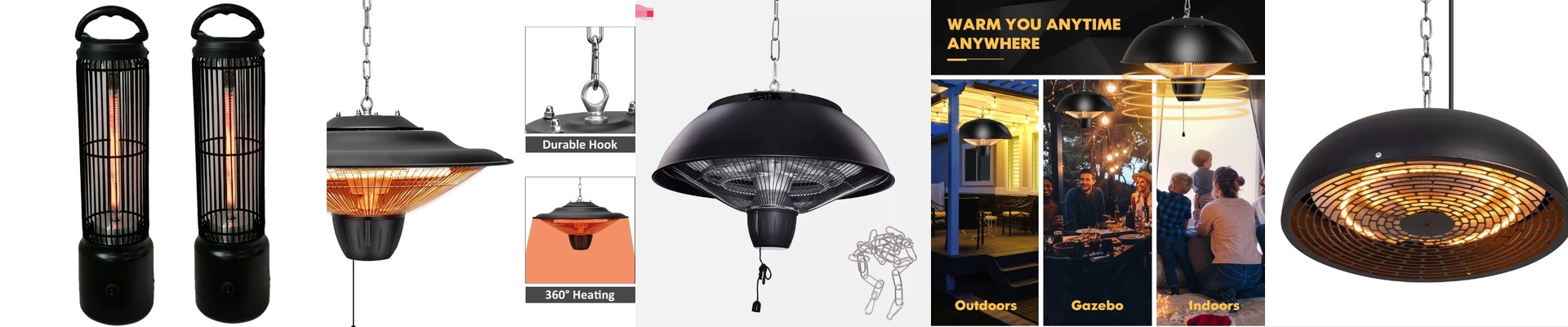
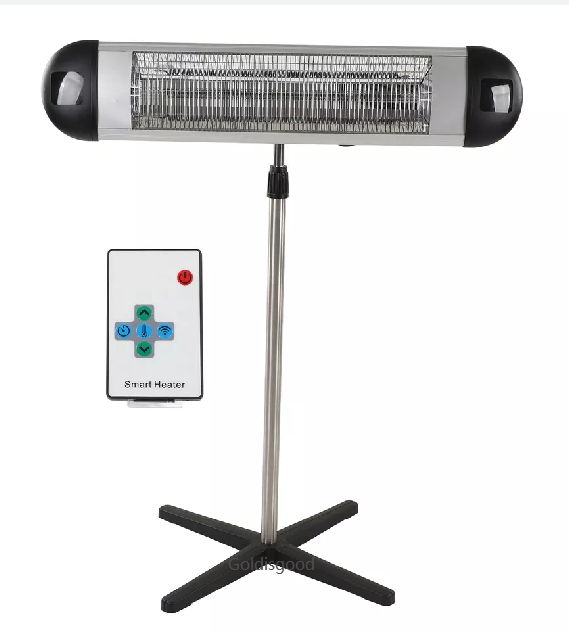
Recessed Infrared Ceiling Heaters: Instant Warmth, Right Where You Need It
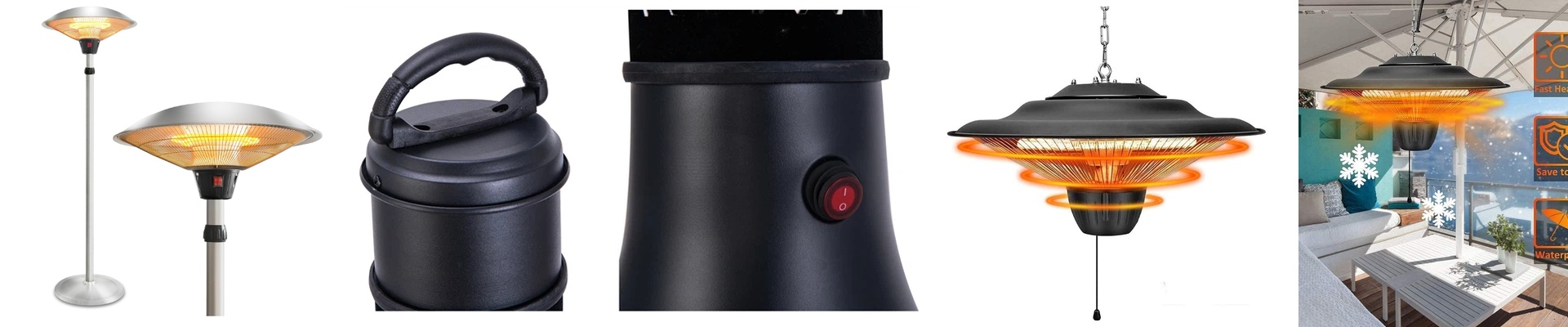
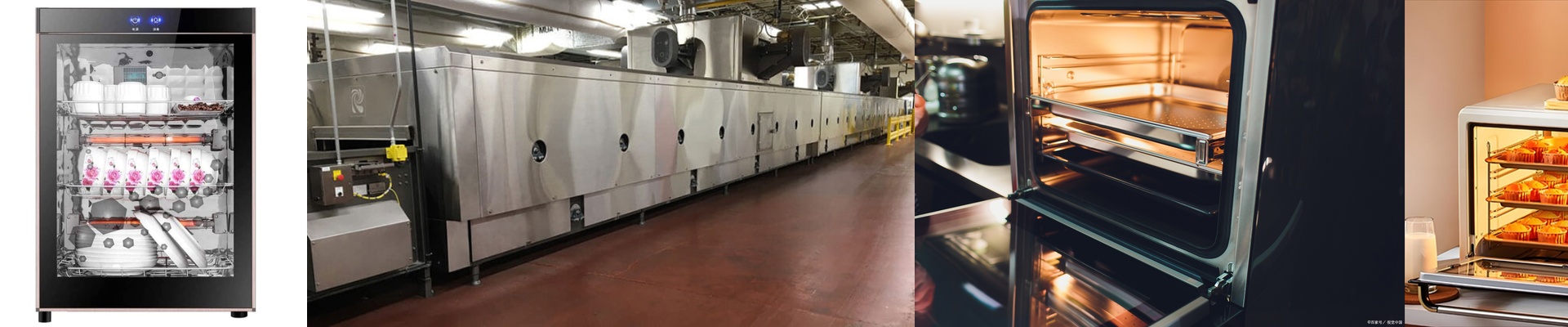
We built these recessed infrared ceiling heaters for one reason: to give you heat the moment you need it, without wasting time heating the air. They use high-intensity infrared lamps that shine warmth directly onto people and surfaces. That makes them perfect for spot heating—think workshops, garages, or commercial areas that get cold fast. And the best part? You can connect them to your smart home system. So when you need warmth, it’s just a button press away.
Power, Voltage, and Fit: The Practical Details
These heaters are designed to pack serious heat into a small space. They run on a 400V supply, which means the elements heat up fast—almost instantly. The unit itself is built to drop right into standard ceiling cutouts. No messy modifications. Just a clean, flush install. But here’s the thing: they draw a lot of power. So you need a dedicated electrical line with the right overcurrent protection. Plan your electrical load before you start. Trying to run these on a weak circuit just won’t work.
The Inside Story: Halogen, Quartz, and Solid Connections
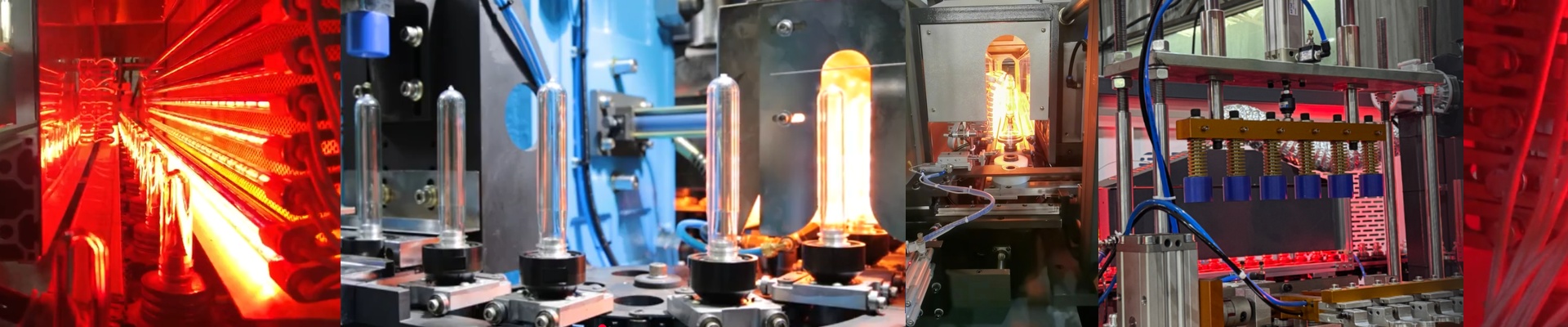
Inside, we use halogen-filled quartz tubes. They’re tough enough to handle extreme heat and keep the infrared output steady. The halogen cycle helps maintain consistent performance over time, so you don’t get that gradual fade in heat. And the quartz envelope is tuned to transmit infrared efficiently, with a coating that keeps the light spectrum right where you need it. Then there’s the connectors. We use R7s and SK15 connectors because they handle the current without getting hot. They make wiring simple, and they stay tight—even in environments with constant vibration. You wire it once, and you can count on it.
Smart Control, Instant Heat—And What to Keep in Mind
When you integrate these heaters with a smart system, you get real control. Turn them on remotely. Set schedules. Check their status. The infrared lamp fires up immediately, so the warmth hits the moment you trigger it. No waiting for air to warm up. It’s direct heat, not convection, so you feel it right away. Now, because the lamp runs hot, the housing needs proper clearance and ventilation. We design the recessed assembly to manage that heat, but you still need to plan for the temperature rise near the unit. When you’re planning the install, just match the voltage, wattage, and connector type to your control panel and electrical setup. Do that, and you’ll have a heating solution that’s reliable, fast, and ready on command—from anywhere.