Finding the Right IR Replacements for Your Deck Oven
Let’s be honest: OEM heating lamps for imported deck ovens are ridiculously expensive. You’re basically paying a “brand tax” just to keep your oven running. The good news is that there are plenty of high-performance alternatives out there. The bad news? If you don’t get the specs right, you’re looking at fried circuit boards or a ruined batch of bread.
Watch Your Power and Heat
Here is the thing about electrical specs: they have to be a perfect match. Period. If you plug a 230V lamp into a 400V circuit, it’s going to pop instantly. It’s not a “maybe”—it’s a “definitely.” On the flip side, if you go too low on the wattage, your oven will struggle to hit the right temperature. You’ll be staring at the timer, wondering why your bake cycles are taking forever. Then there’s the heat density. This is where things get tricky. Think of it like this: a short tube with high wattage packs a ton of energy into a tiny space. That creates a hot spot. If your new lamp has a different filament length than the original, you’ll end up with some spots that are burnt to a crisp while others are barely browned.
The Deal with Quartz and Halogen
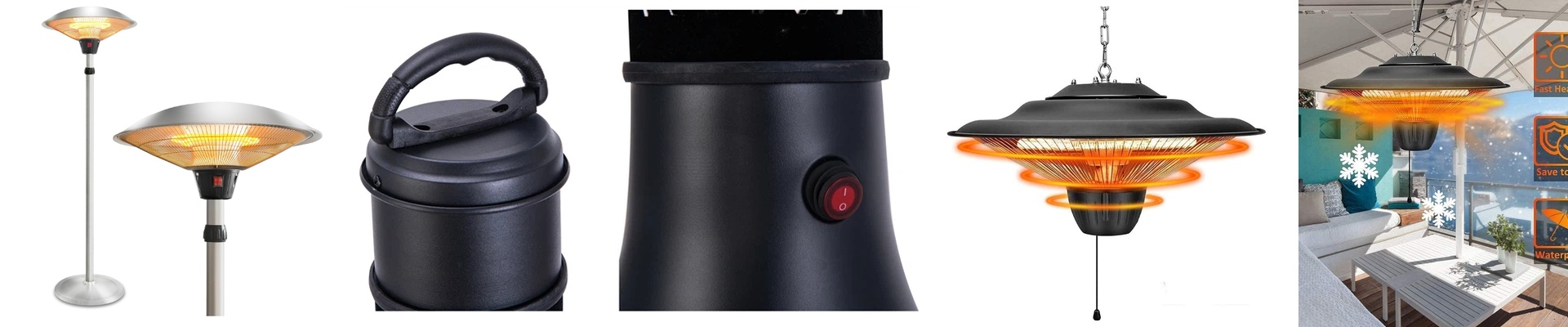
Most of these ovens rely on short-wave quartz heaters. We use halogen gas fills because they keep the filament from evaporating too fast. It basically keeps the heat steady and consistent over thousands of hours, so you aren’t constantly replacing bulbs. But before you flip the switch, check your connectors. Whether you’re using R7s or SK15 bases, those pins need to be snug. If they’re loose, you’ll get arcing—which is just a fancy way of saying sparks that burn out your socket. I always suggest giving the spring clips a quick check every time you swap a lamp.
A Few Warnings Before You Install
These high-output lamps are great because they hit the right temperature almost instantly. But that instant heat puts a real strain on your wiring. If you’re tempted to jump to a higher-wattage “performance” lamp, just make sure your relays can actually handle the current. You don’t want to melt a wire in the wall. And a word of advice on the cheap stuff: stay away from lamps without a protective coating on the quartz. Without that coating, one single drop of grease or a splash of water on the hot glass will cause “thermal shock.” The tube will crack right in front of you. It’s a mess. Just take two seconds to wipe the lamp down before you fire it up. It saves you a lot of headache later.