Keeping Your Patio Warm When It’s Freezing Outside
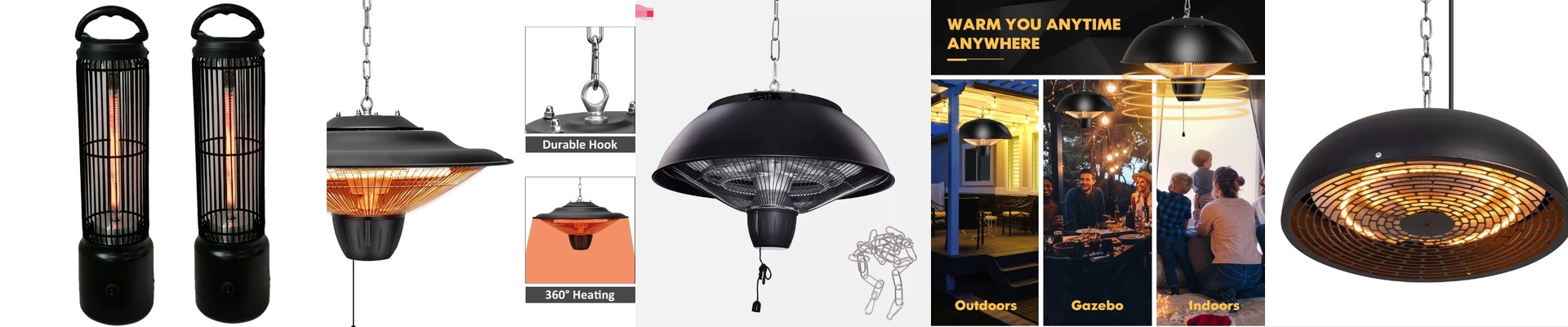
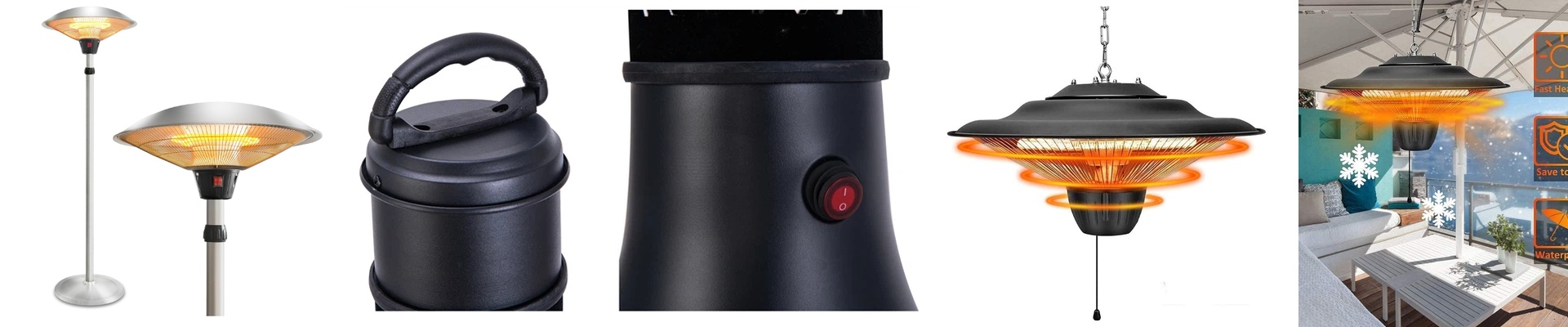
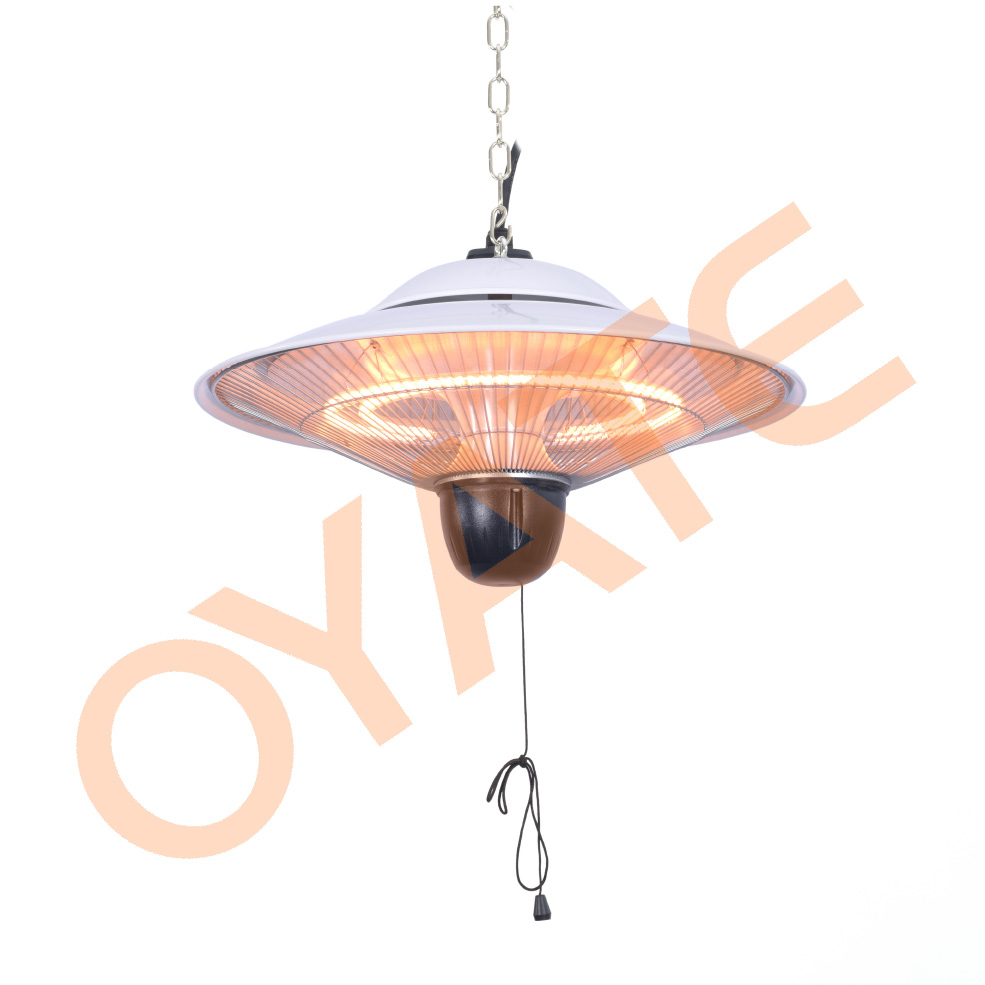
Trying to run an outdoor dining area in the winter feels like a losing battle. Most people grab those standard convection heaters, but here’s the problem: they try to heat the air. And in the open air? That heat just drifts away the second a breeze hits. That’s why we stick with shortwave infrared. Instead of fighting the wind, these heaters send radiant energy straight to your guests and their chairs. It’s like standing in the sun on a crisp October day. You feel it instantly. The secret to keeping tables full If a guest sits down and feels a chill, they’re looking at the exit. Period. But when they feel that immediate wave of warmth the moment they hit the seat? They relax. They order another round of drinks. They stay for dessert. It’s not really about the hardware. It’s about making your patio actually usable when it should be empty. More warmth means more time spent at the table, which means a better night for your bottom line. Getting the power right Now, the technical side can get messy. Depending on how much heat you need, you’re looking at 230V or 400V setups. My biggest piece of advice? Zone your heaters. Don’t just blast the whole patio at full power all night—your electrical panel will hate you for it. If you wire everything for max output, you’re just waiting for a breaker to trip right in the middle of the Friday night rush. Divide the space so you can dial things back in the quiet corners. A few things to watch out for Infrared is fast, but it’s directional. It’s like a flashlight; if you move a couple of feet to the left, you might hit a cold spot. To fix this, you have to overlap the heat patterns. You want a blanket of warmth, not a few hot spots. Also, watch the glare. High-wattage units can be blinding if they’re too low. We usually mount them at least 2.5 meters up. That way, your guests get all the heat without feeling like they’re sitting under a stadium floodlight.