Putting Infrared Heaters in Pergolas (and Other Wet Spots) Without the Headaches
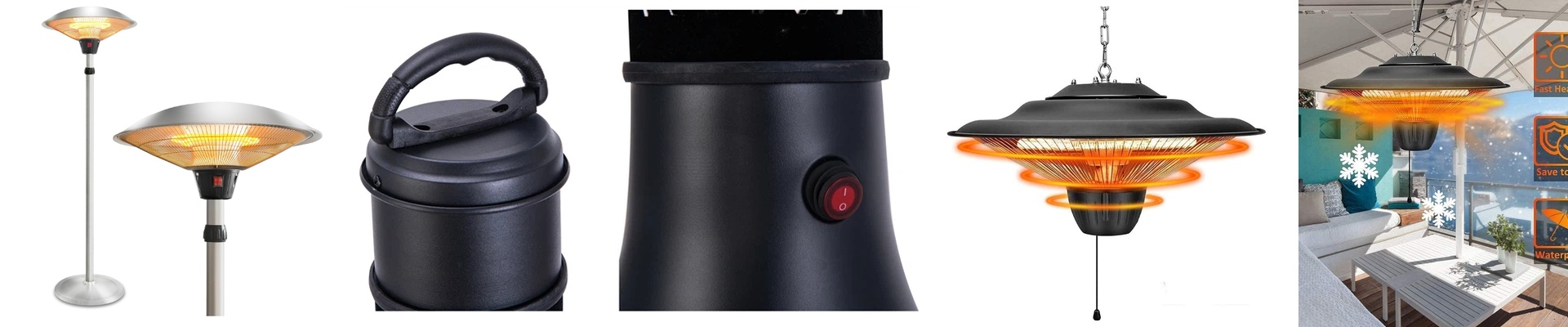
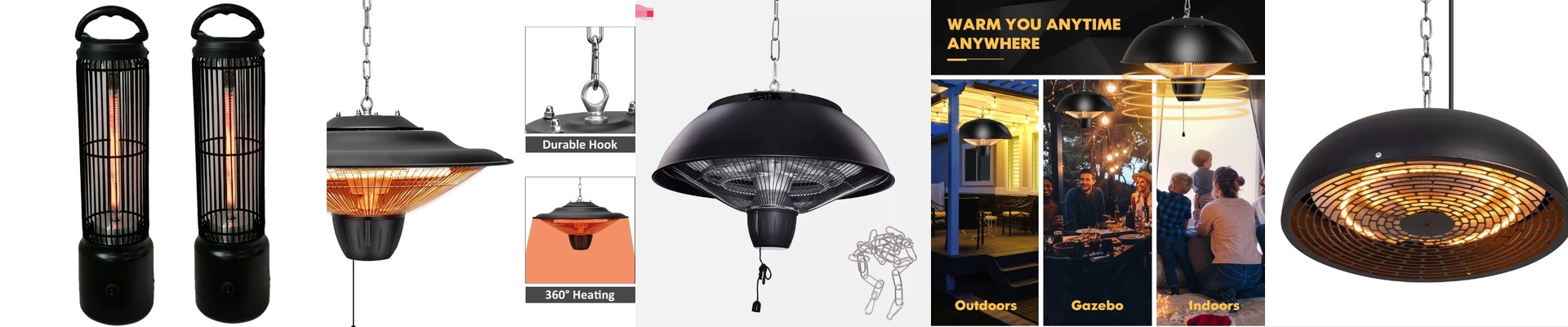
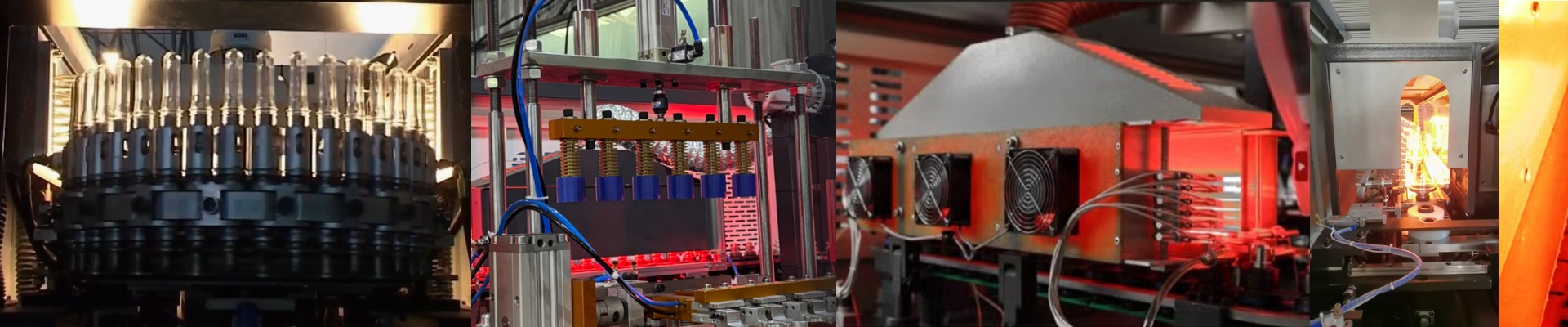
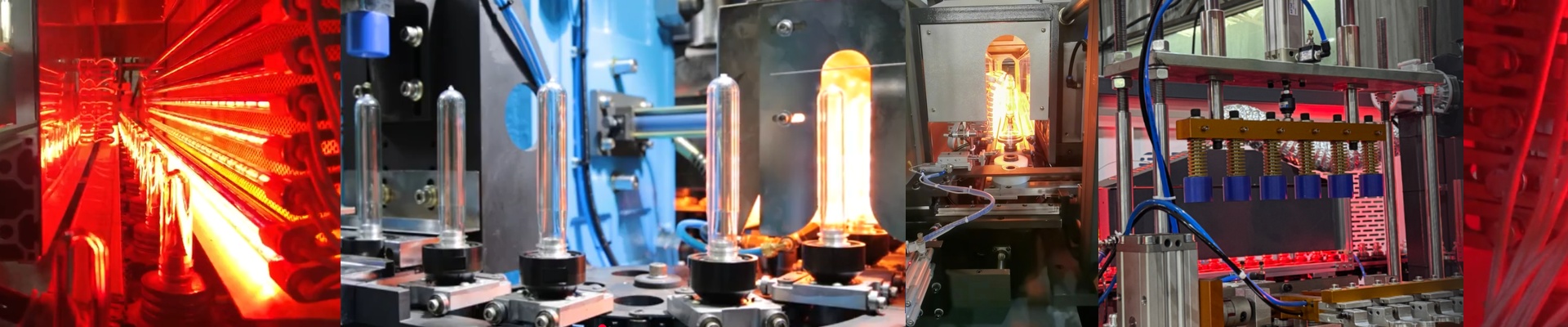
If you’re planning to put infrared heaters in a pergola or a bathroom, you’ve got to think about two things: water and heat. It sounds simple, but when you mix them, things can get messy. Imagine a quartz heating tube glowing at 600°C. Now imagine a stray drop of cold rain or a puff of steam hitting that glass. In a cheap heater, that glass can literally shatter. Not exactly the vibe you want when you’re trying to relax outside. That’s why we use explosion-proof quartz. It’s built to handle those wild temperature swings without cracking. It’s not just about making the lamp “tough”—it’s about making sure you don’t end up with glass shards raining down on your guests. The real battle with waterproofing A plastic cover isn’t enough to make a heater “waterproof.” The real danger is where the lamp meets the housing. If moisture sneaks into those electrical contacts, you’ll get arcing. That’s just a fancy way of saying the electricity jumps where it shouldn’t. Usually, that ends with a burnt-out element or a tripped breaker right in the middle of a party. We focus on the seals because that’s where the real fight is won. A few things to watch during install These high-wattage lamps put out a ton of heat, and they do it fast. But that heat makes the metal chassis expand and contract. Make sure your mounting brackets can handle that movement, or you’ll start hearing annoying creaks or see the mounts loosen over time. And please, check your wiring. If your circuit can’t handle the load, you’ll see a voltage drop. You’ll notice the heat isn’t as punchy as it should be, or the lamps might start flickering. It’s also a good idea to use high-temp wiring. You don’t want the insulation melting just because it’s sitting too close to the heat source. Just do the math on your peak power draw before you flip the switch. It saves a lot of swearing later on.