Keeping Your Outdoor Tables Full When It Gets Cold
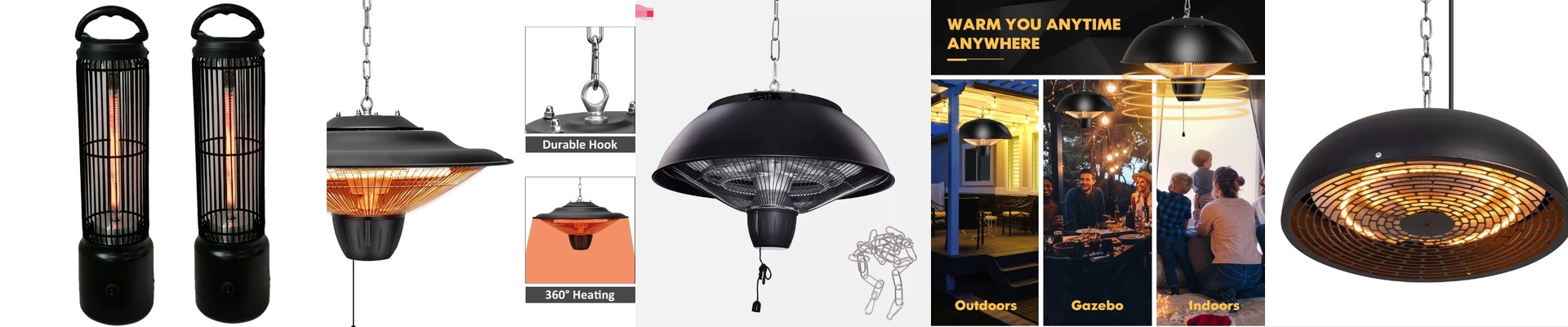
The second the temperature dips, your outdoor seating becomes a ghost town. It’s a quick way to lose money you should be making. That’s why we stick with IP65-rated infrared heaters. Most heaters try to warm up the air, but if there’s a breeze, that heat just blows away. Infrared is different. It beams heat directly onto your guests and their chairs. It’s like sitting in the sun on a winter day.
Dealing with the Weather
Let’s be real: outdoor gear takes a beating. Rain, snow, and humidity can fry a cheap heater in a single season. We use IP65 units because they’re built for the grit. They’re dust-tight and can handle water jets from any direction. Whether you’re tucking them under an awning or leaving them totally exposed to the elements, you don’t have to worry about moisture creeping in and killing the machine.
Getting Guests in Seats
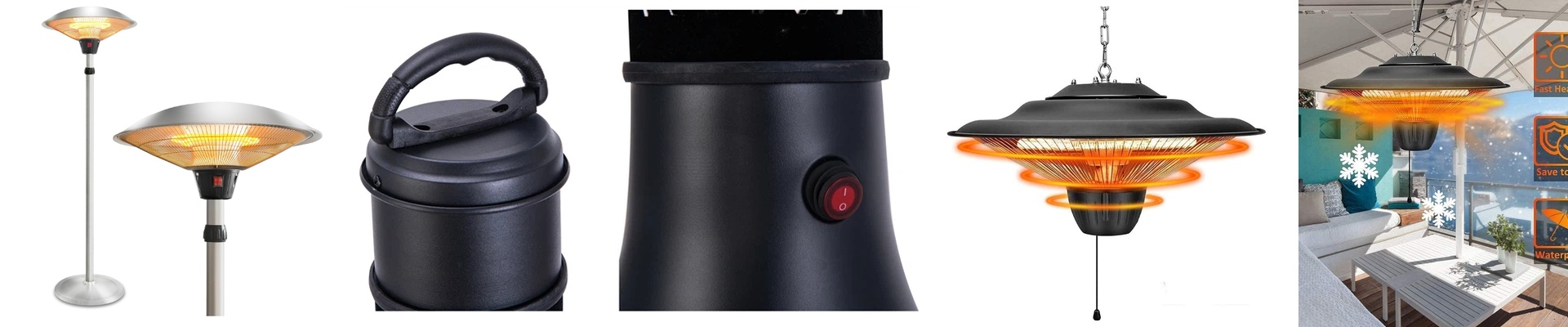
We use shortwave emitters for these setups. The best part? There’s no waiting around for the unit to “warm up.” The moment a guest sits down, they feel it. Immediately. That’s how you fill tables in December that would otherwise stay empty. Plus, since the heat is so concentrated, the units stay small. You don’t need some giant, noisy blower taking up space; you just wire them into the ceiling or wall and forget about them.
The Catch: Power and Placement
Here is the thing you can’t ignore: these units pull a lot of power to fight off sub-zero winds. You’ve got to check your breaker panels. If you’re putting in ten 2000W units, you’re looking at a 20kW load. You can’t just plug these into a regular wall outlet—you’ll trip the mains right in the middle of the Friday night dinner rush. You need a dedicated circuit. And please, get the height right. Aim for about 2.5 to 3 meters up. If they’re too low, your guests will feel like their shoulders are roasting. Too high, and the heat disappears before it even hits the table. Nail the height, and you’ll keep those seats occupied all winter long.