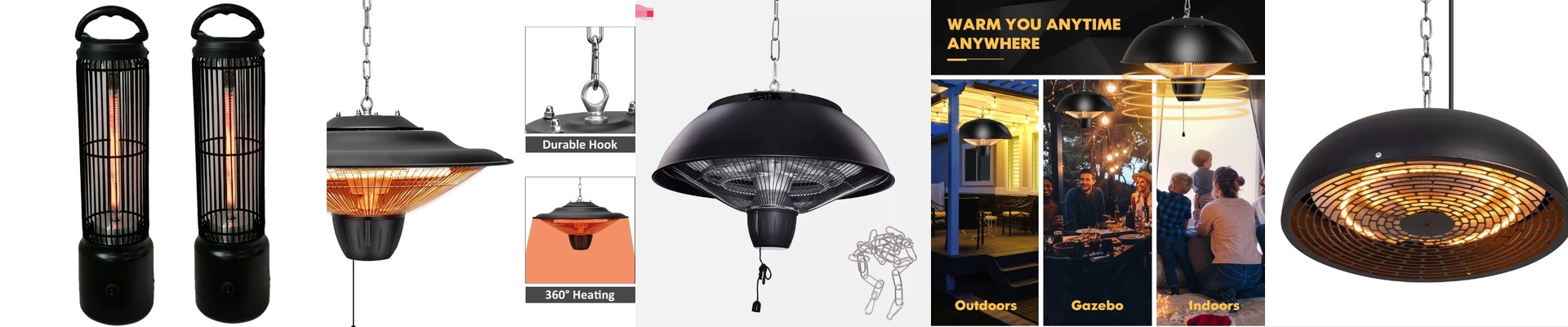

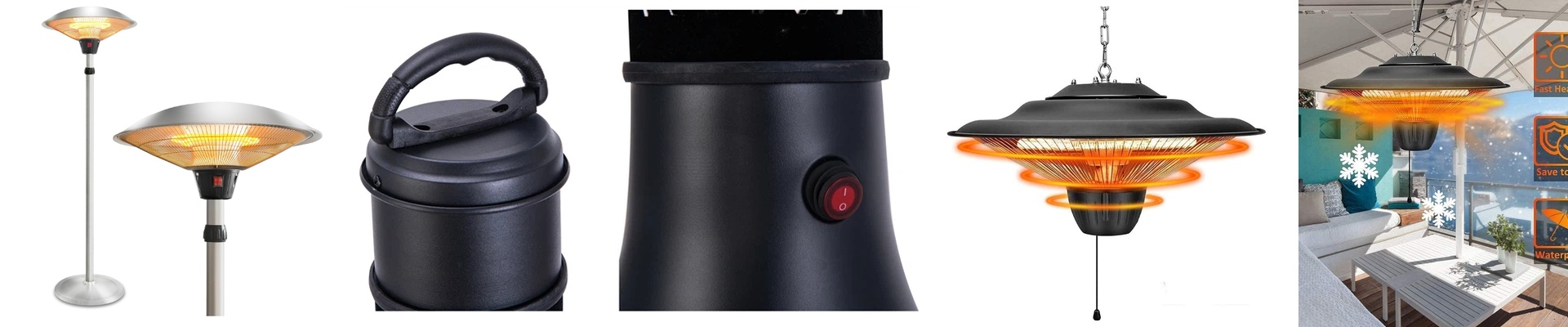
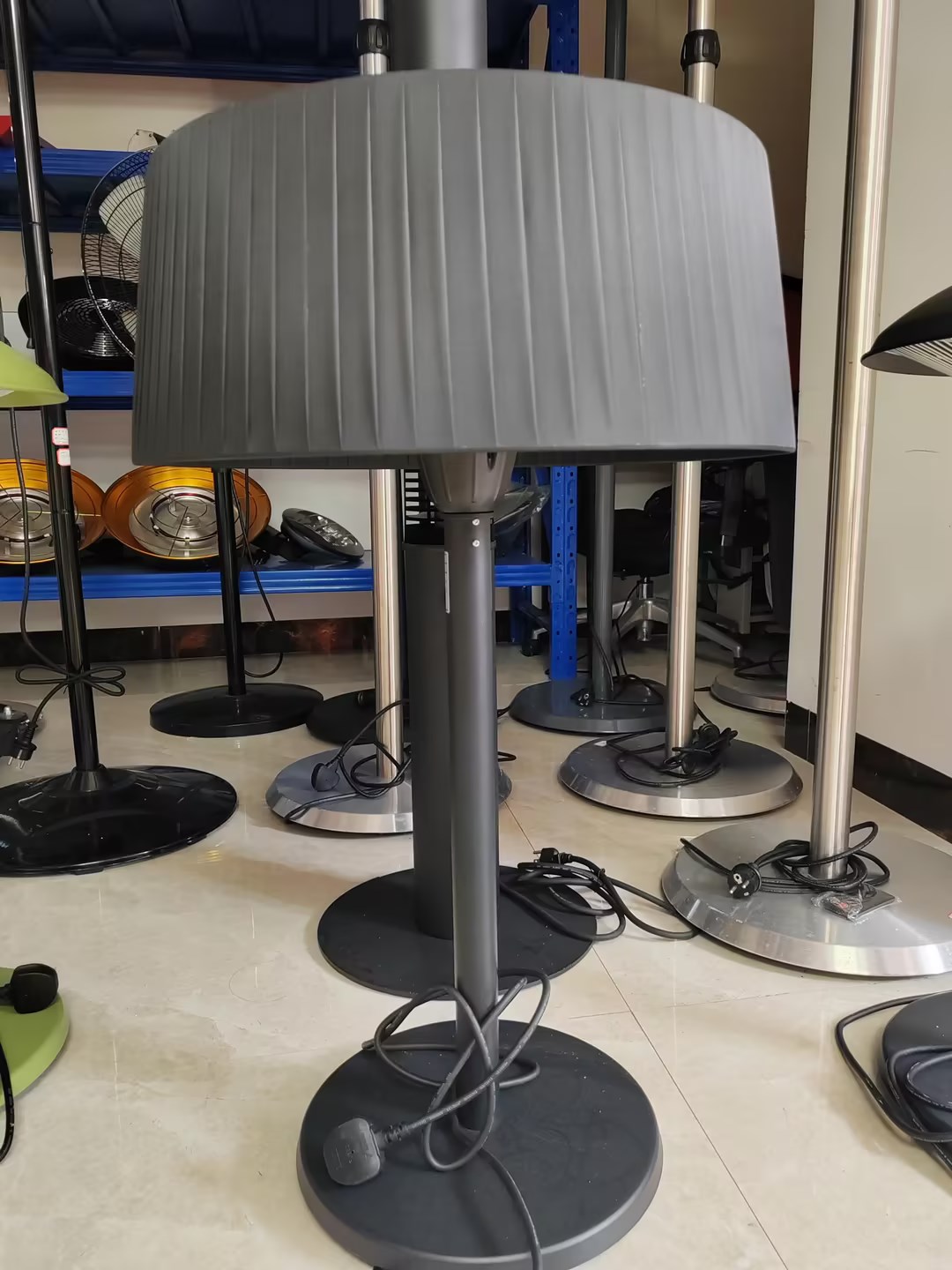
IP65 Outdoor Garden Heaters: The Real-World Truth
We make IP65 outdoor garden heaters for one simple reason: they have to live outside and still keep their cool. It’s not just about keeping water out. It’s about protecting the wiring inside while the quartz tube is running hot, day after day. If the seal where the wires enter can’t handle that constant heat, the insulation starts to fail. Then you get shorts. So we treat that wire entry point like the serious piece of engineering it is—not some afterthought.
The Power, Voltage, and Size Breakdown
Here’s the thing about infrared heaters: they warm you by radiating heat, not by blowing air around. So the wattage and voltage directly control how much heat you get and how quickly the element fires up. More wattage means a faster warm-up, sure. But it also means the inside of the heater gets hotter. And with an IP65 rating, that seal has to stay rock-solid even as the whole unit heats up and cools down fast. If the seal material isn’t up to the job, it’ll crack or warp, and then the protection is gone.
Why the Wire Seal is the Whole Story
The weak spot is always where the internal element meets the external power cable. That’s why we use a high-temperature, dual-layer seal that holds its shape even when things are blazing hot. We also design the internal path to take stress off the connection point. Less stress means fewer tiny cracks, fewer hot spots, and way fewer failures out in the real world. This is where the craftsmanship shows up. The crimp, the strain relief, the potting compound—every piece is matched to the heat load. If you cut corners here, you’re just asking for intermittent problems after a few hundred hours of use.
Outdoor Heat That Just Works
An outdoor garden heater has to put up with a lot—rain, wind, and wild swings in temperature. Our IP65 design keeps the water out, but it’s the wire-seal engineering that keeps the electricity flowing safely, even under sustained high heat. Yes, there’s a trade-off. Higher power means you need to think about ventilation and give the heater the right mounting space. But get the specs right, and you’ve got a heater that fires up fast, stays bone-dry, and just keeps running. No more nuisance failures from a cheap, leaky seal. Just reliable warmth, season after season.