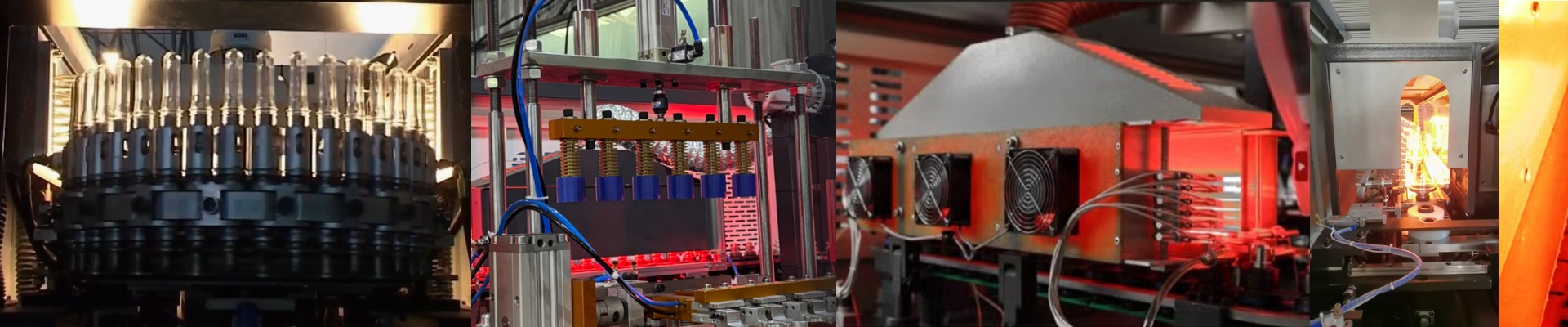
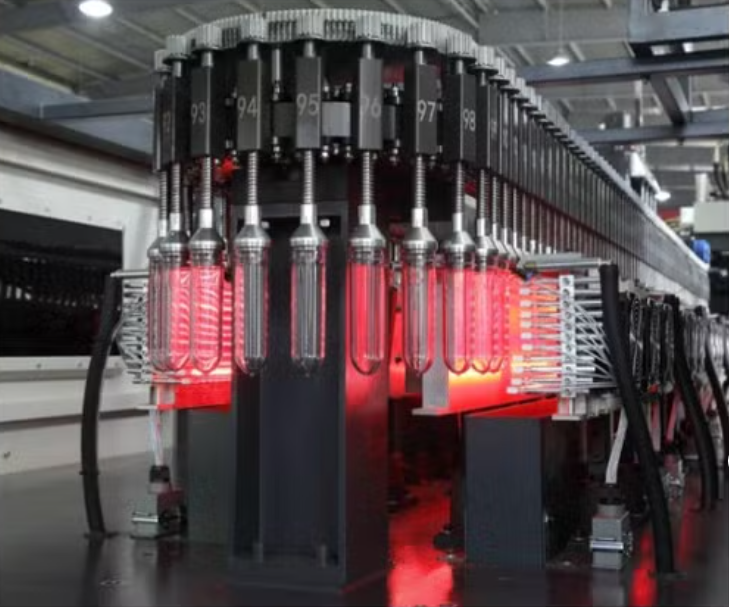
Can New IR Lamps Actually Speed Up Your Blow Molding?
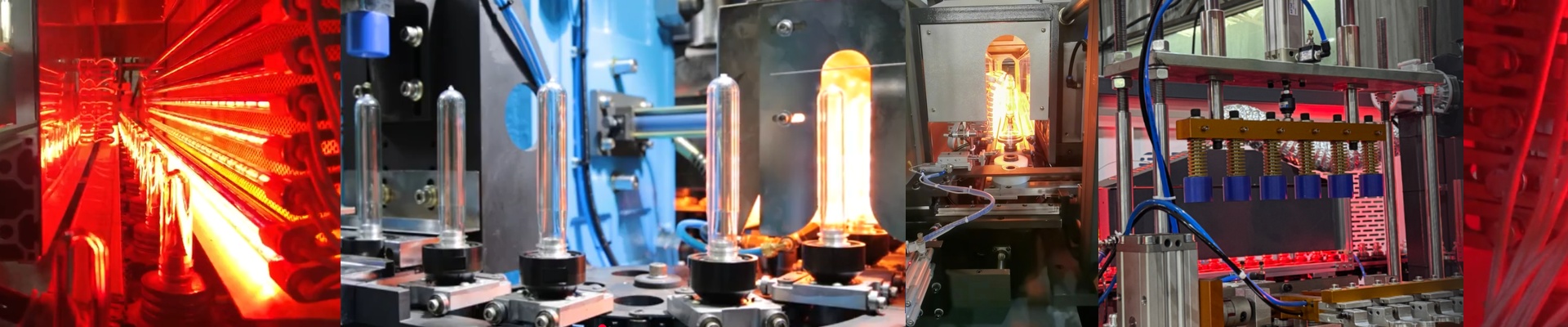
If you’re running a small or mid-sized bottle plant, you probably have a few aging blow molding machines that have seen better days. You know the drill: the preforms aren’t heating evenly, the cycle times are dragging, and you’re just trying to squeeze more out of the shift. It makes you wonder—can just swapping out the old infrared (IR) lamps actually move the needle on your production numbers? The short answer is yes. But there’s a trick to it. It’s all about the heat. To get your PET preform to that sweet spot (the glass transition temperature) without scorching the plastic, you need the right amount of heat in the right place. We look at wattage-per-centimeter. If you trade a standard quartz tube for a high-density halogen lamp, you’re basically cranking up the heat flux. This is where the magic happens. You can either shorten your heating tunnel or just speed up the conveyor. But a word of caution: keep an eye on your voltage. Whether you’re on a 220V or 400V setup, your transformer dictates the draw. Pushing more wattage into the same length of tube makes the lamp run hotter. That’s great for the plastic, but it’s tough on your cooling fans. If your airflow is weak, you’ll end up warping your preforms. The hardware side of things Nobody wants to spend a weekend rewiring a control cabinet. That’s why we stick with R7s or Sk15 connectors. They just slide right in. We also use heavy-wall quartz glass. Why? Because thermal shock is a killer, and these tubes won’t snap when things get intense. Some of our lamps even have a special coating that shifts the emission spectrum. Instead of just searing the surface of the PET, the heat actually sinks deep into the wall of the plastic. What this looks like on the floor Upgrading your lamps is honestly the fastest way to kill those annoying “cold spots” in your oven. Before you order, just double-check your lamp length and socket type. A snug fit means better thermal transfer. When it’s dialed in, you’ll notice fewer scrap bottles and a faster rhythm to your cycles. One last thing: high-output lamps are a bit more sensitive. If your plant’s power is “dirty” or fluctuates a lot, they’ll burn out faster. If that’s the case for you, grab a stabilizer. It’ll save you the headache of replacing lamps every few weeks.