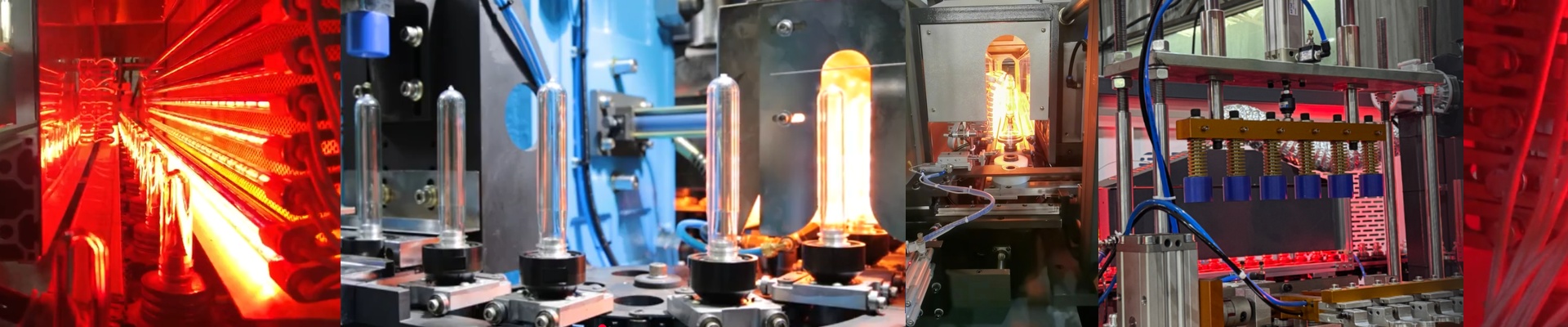
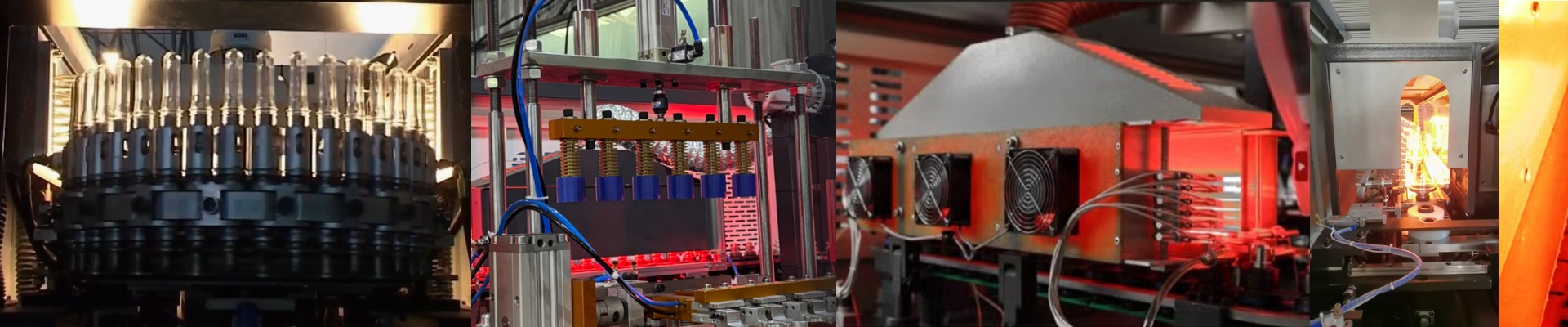
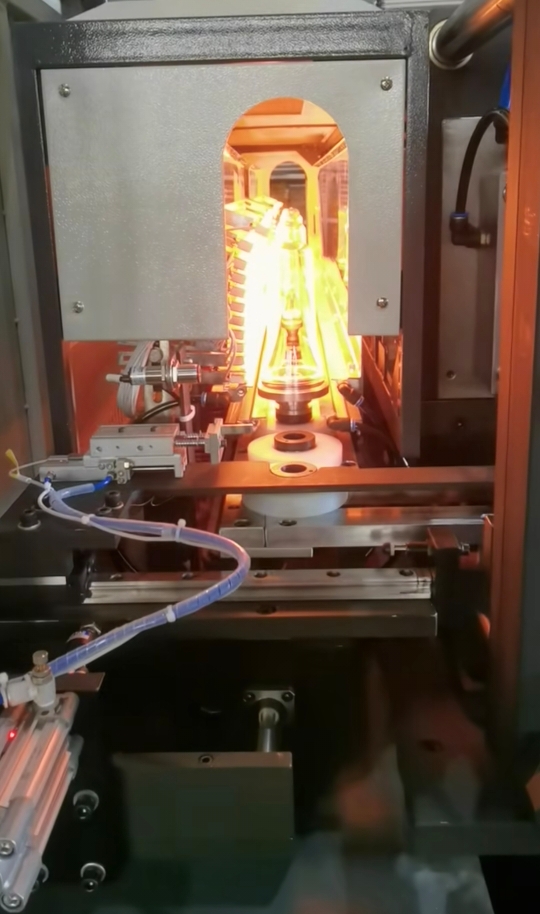
On the blow molding floor, nothing kills yield faster than a heating profile that’s drifting or weak. When the SIPA SFL 6/6 is running, preforms have to hit that sweet temperature band quickly—and do it the same way, every time. If the infrared output dips or the lamp geometry is even slightly off, you’ll see PET crystallization, blown bottles, and the line stopping while you chase the cause.
What matters under the hood
The SIPA SFL 6/6 linear blower IR lamp is built around short-wave quartz infrared emitters. That choice is simple: they respond fast, and you can keep control tight through the preform heating tunnel. We stick to the OEM specs on emitter length, lamp wattage, and the R7s connector layout so the lamp drops in as a direct replacement in the SIPA SFL 6/6 heating bank. The quartz tube is engineered to handle thermal shock, and the reflector geometry is set to keep the energy on the preform—shoulder and body—where it belongs. Not on the machine frame.
Why it holds up on this machine
This isn’t a one-size-fits-all lamp. It’s tuned for the SIPA SFL 6/6 linear blower. That gives you stable heating across the full preform cycle, so stretch blow molding repeats with fewer rejects and less scrap. Fast ramp-up supports higher cycle rates, and consistent infrared output keeps bottle wall thickness and top load performance consistent, bottle after bottle. On the floor, that shows up as fewer heating-related jams, fewer parameter tweaks, and uptime that’s easier to predict.
What to watch on install and in daily running
Install is plug-and-play as a direct replacement, but the heating zone environment still matters. Keep the lamp ends clean, double-check reflector alignment, and make sure the cooling airflow matches the original SIPA design. If it doesn’t, you’ll get uneven hot spots and the lamp life will come up short. Under normal PET preform heating loads, expect service life in the 5,000–8,000 hour window. Plan replacements around scheduled maintenance so you don’t get caught by an unplanned downtime.