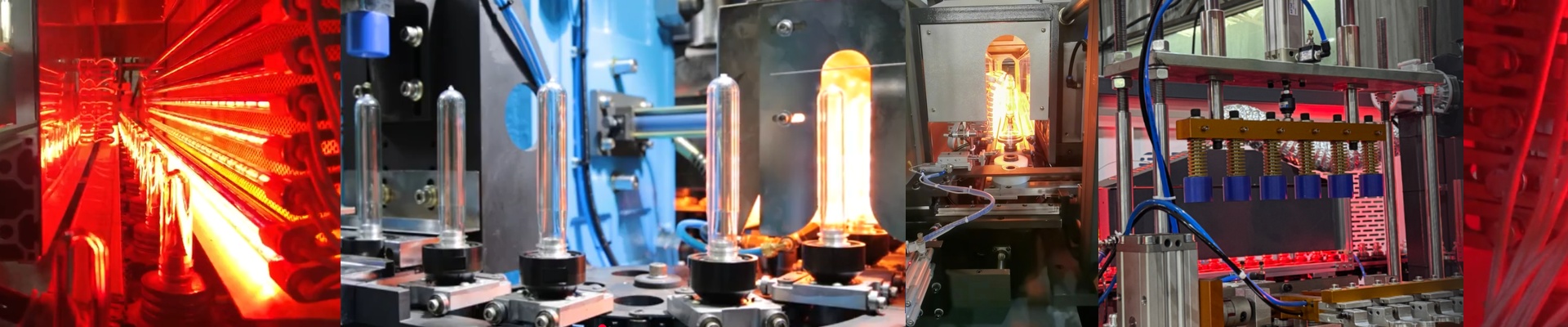
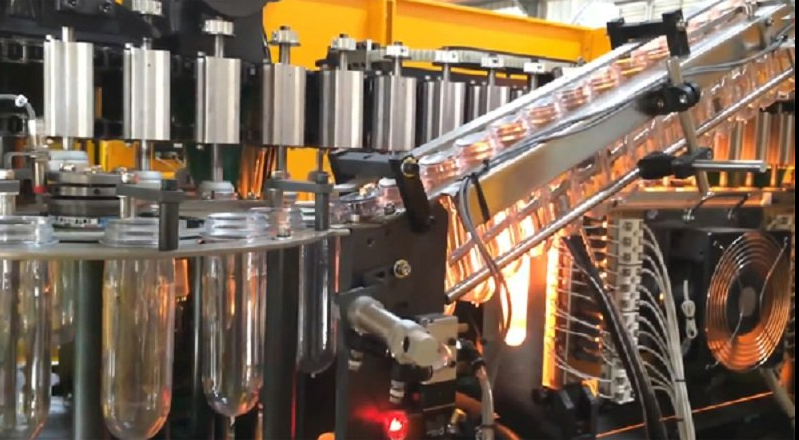
Getting Your Sidel Oven Back Up to Speed
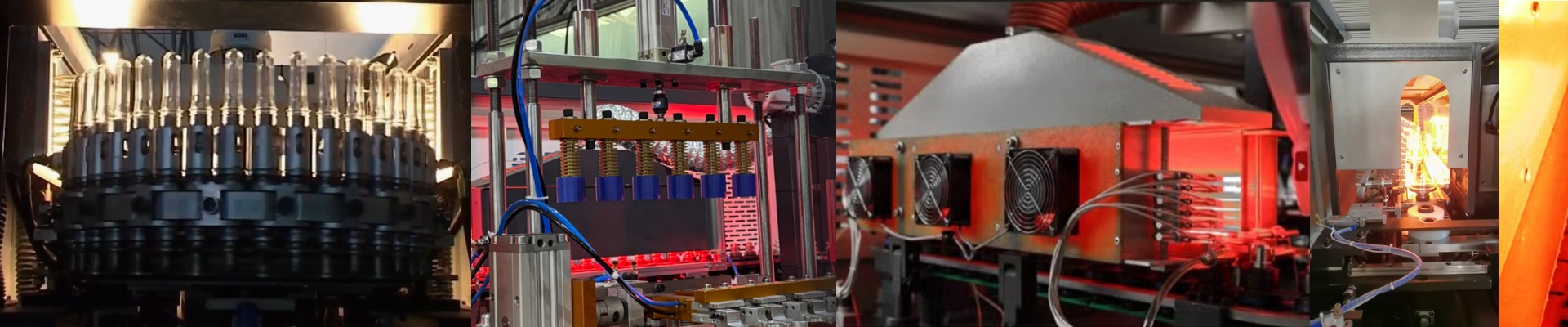
If you’ve ever dealt with a PET blowing line, you know the headache of inconsistent heat. It’s a nightmare. To get that perfect bottle, your lamps need to fit the OEM footprint exactly—no gaps, no wobbles. We build our replacement lamps to slide right into the full Sidel lineup. Whether you’re still rocking the old SBO machines or you’ve moved up to the Matrix series, we’ve got you covered.
No More Fiddling with Fittings
A “drop-in replacement” should actually be a drop-in. It’s not just about the length of the tube. We’ve spent a lot of time mapping the electrical loads and physical dimensions of Sidel oven banks. Why? Because nobody wants to spend their shift rewiring housings or messing with reflector angles just to replace a burnt-out tube. We obsess over the electrode spacing and end-cap tolerances so that when you slide the lamp in, it justclicks. Simple.
The Secret to the Heat
These aren’t your average bulbs. We use high-purity quartz glass because these things go through a brutal cycle of heating and cooling. To get that intense heat density needed to soften PET preforms quickly, we use a specific halogen fill. It lets us push the wattage higher without the filament just giving up and melting. Depending on your Sidel model, you’ll see different coatings. Some need that sharp, short-wave radiation to punch through the plastic. Others need a softer, more diffused spread. We match these outputs specifically so you don’t end up with “hot spots.” Because if the heat is uneven, your bottle walls end up thin in some places and thick in others. And that’s a problem.
A Couple of Pro Tips
Here’s the thing: high-wattage lamps are great for fast cycle times, but they’re thirsty. They put a lot of stress on your power supply. If you’re running these at full tilt,keep your cooling fans clean. If the air around the lamp ends isn’t moving, those connectors will fry, and your new lamps will burn out way faster than they should. One last thing—before you swap out a full set of tubes, double-check your voltage stability. It’s a quick check that saves you from blowing a bunch of brand-new filaments the second you flip the switch.