Getting Your PET Blow Molding Lamps to Actually Fit
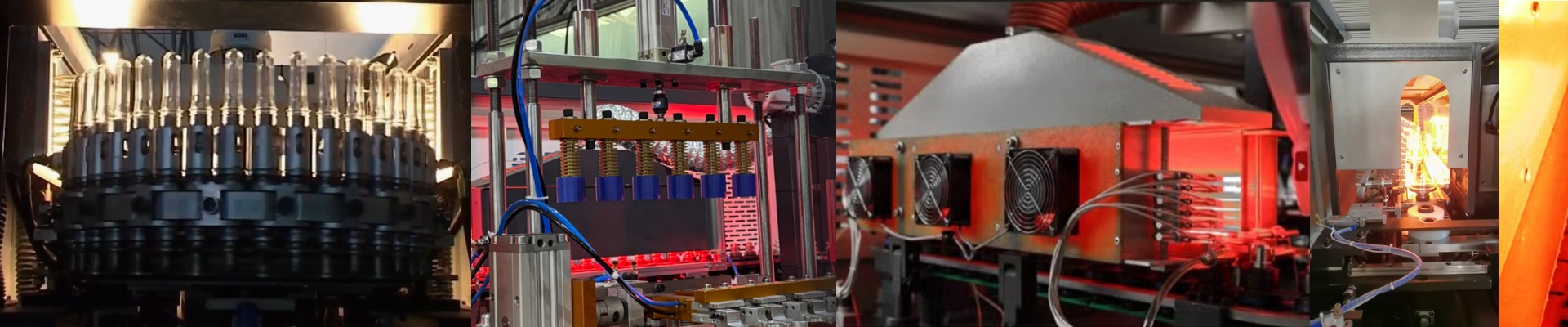
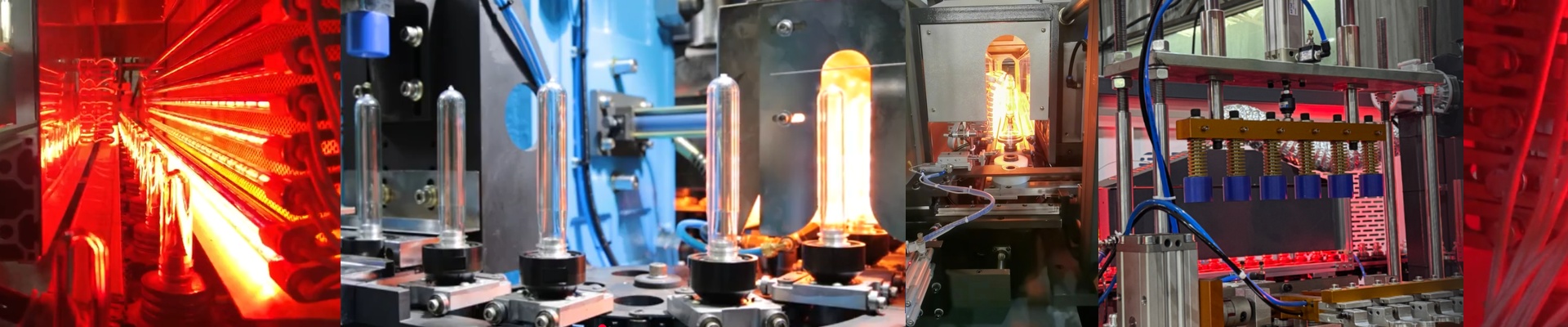
Let’s be honest: most blow molding lines are a bit of a mixed bag. You’ve probably got a few different brands running side-by-side. So when a lamp finally burns out, the last thing you want to deal with is a nightmare of rewiring the oven or trying to force a part that almost—but not quite—fits. We built our IR lamps to solve that. We looked at the most common specs from all over the world and made sure our gear covers about 95% of them. It’s a simple drop-in replacement. No fuss.
The Deal with Power and Voltage
Here’s the thing about heat: you want it fast. We focus on those specific wattage-to-voltage ratios that get your preheating done quickly. By using high-voltage tubes (like 400V), we can cram more wattage into a shorter space. That means more heat density, and your PET hits that glass transition temperature way faster. But a quick heads-up: when you’re pushing 2500W into a small area, your airflow has to be on point. If your cooling fans are acting lazy, you might end up overheating the preform neck. Just keep an eye on that.
Quartz and Connectors (The Boring but Important Stuff)
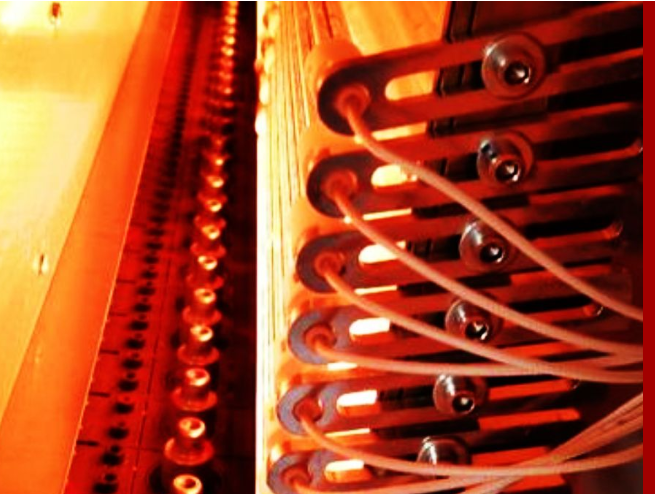
We use heavy-wall quartz glass. Why? Because these things get incredibly hot, and we don’t want the tubes bowing under the stress. We also fill them with halogen gas to keep the filament from evaporating. It’s a simple trick, but it makes the lamps last a lot longer. As for the connectors, we stick to the basics like R7s and Sk15. They aren’t flashy, but they work. They snap firmly into the socket, which means you don’t have to worry about arcing at the contact points.
Real-World Use
Our goal was to make these work as well as—or better than—the OEM parts, regardless of the brand you’re using. We match the length and diameter exactly. That way, your reflectors hit the preform right where they should, and you don’t end up with those annoying cold spots in the bottle wall. Plus, since we keep these standard sizes in stock, you aren’t stuck waiting weeks for a custom order. You just grab a lamp off the shelf, plug it in, and get your line moving again.