Stop the Burn-outs on Your SIG Blomax Lines
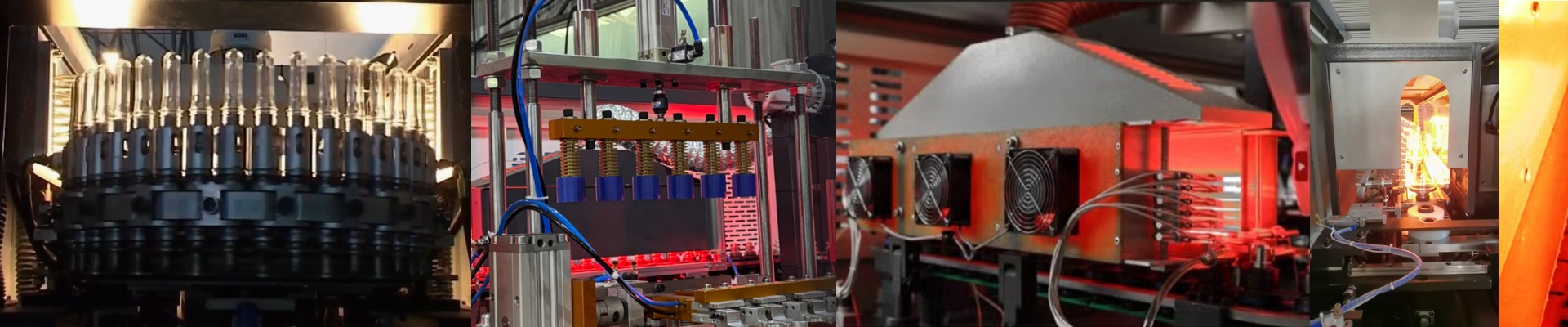
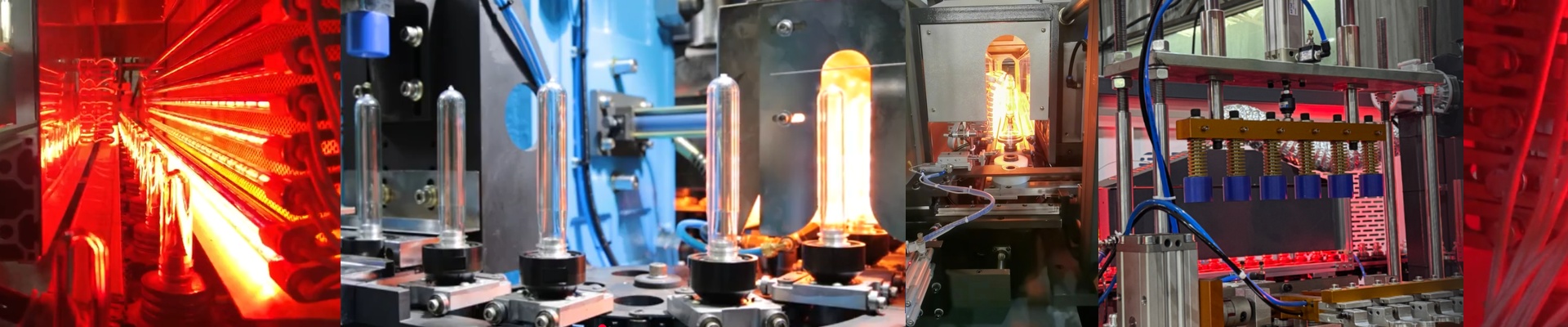
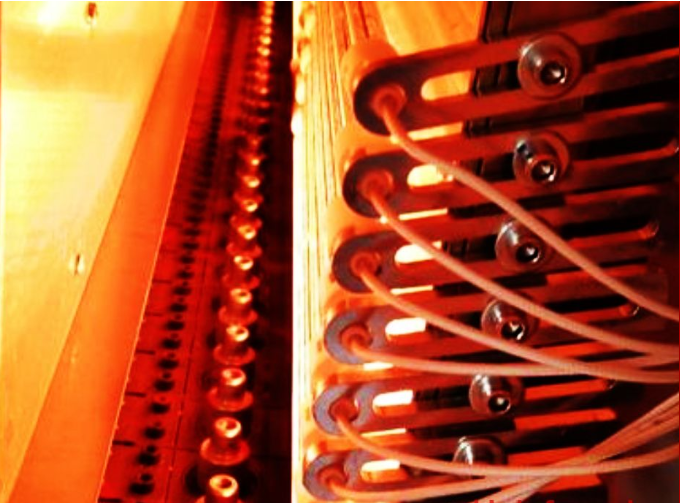
If you’ve been running SIG Blomax lines, you know the headache of tube burn-outs. It usually comes down to two things: thermal stress and constant vibration. It’s frustrating. You’re mid-run, a lamp pops, and suddenly your production is at a standstill. That’s why we built our reinforced replacement lamps. We wanted something that actually lasts without forcing you to rebuild your oven or change your footprint. They’re simple drop-in replacements for Sidel-compatible systems. No fuss. The heat side of things Getting a PET preform to that perfect glass transition temperature is all about the balance of wattage and voltage. We use high-wattage halogen sources to get the heat in fast, and we’ve spec’d these lamps to keep that heat steady across the whole quartz envelope. One quick tip: if you’re pushing these to the limit, make sure your forced-air cooling is clean. If the ends of the lamp overheat, they’ll burn out eventually, no matter how tough the reinforcement is. Why they don’t snap Most standard quartz tubes give up the ghost at the pinch seal or where the connector hits. It’s the weakest link. We fixed that by using heavy-wall quartz glass and beefier electrodes. These lamps can actually handle the high-frequency shaking of the machine without snapping. Inside, the halogen cycle stops the tungsten from blackening. This keeps the light clear and the heat transmission high. And since we use standard R7s or Sk15 bases (depending on how old your machine is), you can just wire them right into your existing sockets. What this means for your day Less downtime. That’s the bottom line. By toughening up the quartz housing, these lamps simply stay lit longer than the OEM parts. You get a more stable heat soak, which means fewer wonky bottles and way less scrap hitting the floor. Just a heads-up: because the tubes are reinforced, they handle heat a little differently. When you first install them, you might need to tweak your heating timers by a few milliseconds to get your wall thickness exactly where you want it. Once you find that sweet spot, you’re good to go.