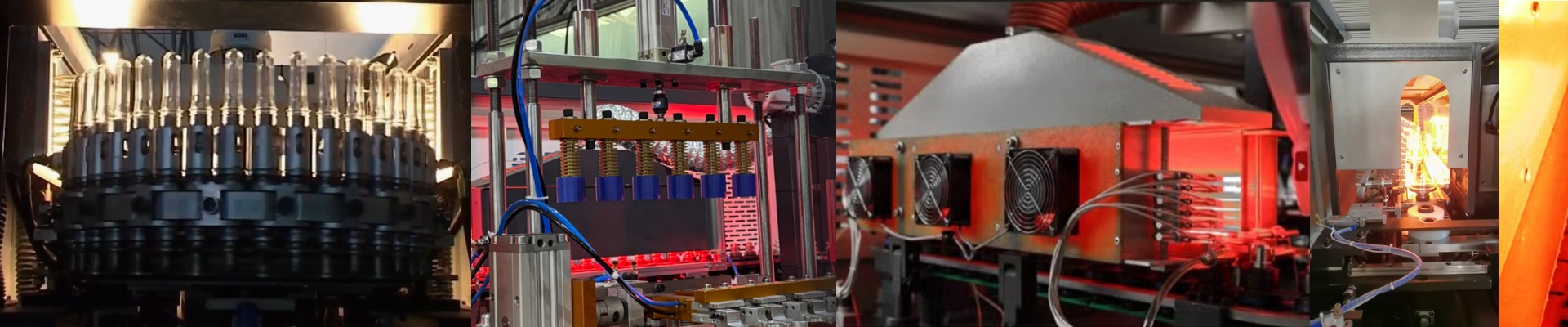
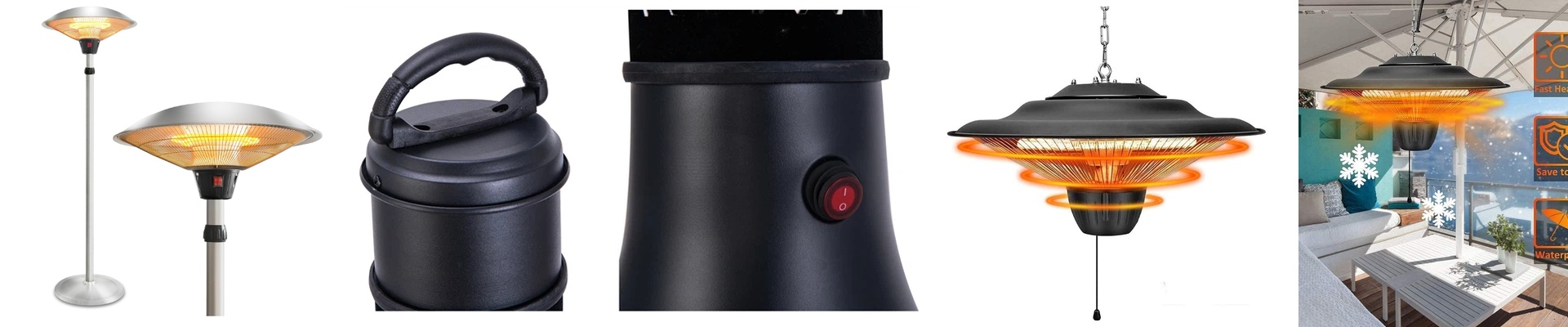
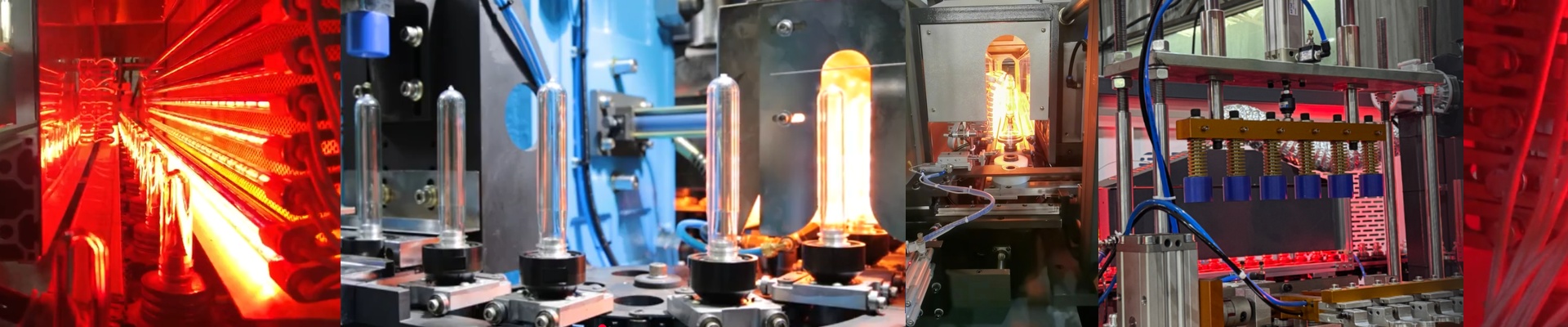
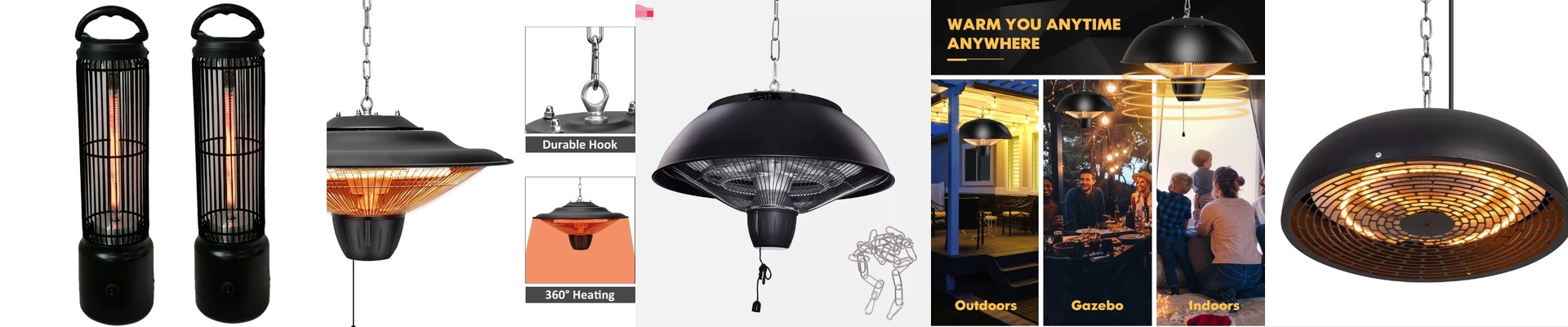

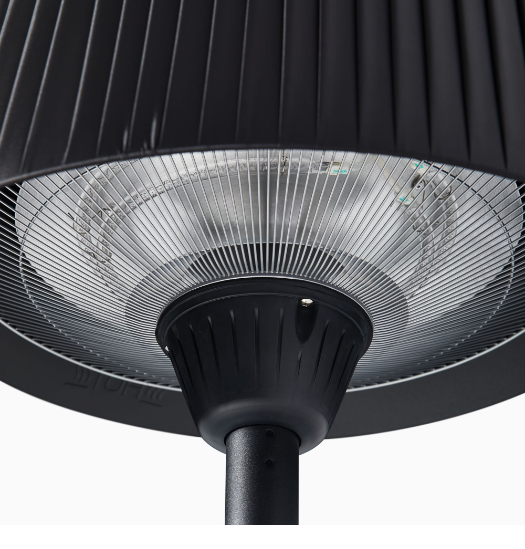
When your personal heater is within arm’s reach, you’re not just chasing warmth—you want it to feel solid, day after day. Infrared warmth hits fast, sure, but that speed comes down to details most users never see. Tucked inside every dependable unit, the lead seal where the power cord meets the heating chamber is quietly doing the real work.
What matters under the hood
Infrared personal heaters lean on a radiant element—typically a carbon fiber element or a quartz tube—to deliver direct, line-of-sight heat. Those elements run hot, and heat moves along conductors. A basic seal can harden, crack, and let moisture and oxygen seep in. Over time, oxidation plus repeated heating and cooling cycles push resistance up at that joint. That hot spot becomes the weak link, and the first cold snap can turn into a headache: flickering, shutdown, or a tripped circuit. We build our lead seals with real shop-floor standards: high-temperature silicone insulation, a fully potted entry, and a strain-relief design that stops flexing from pulling on the internal connections. The payoff shows up both on the bench and in the field—continuity stays stable through repeated heating and cooling, with no drifting resistance that leads to overheating.
Why this matters in practice
This matters most when the heater sits close—on a desk, beside a reading chair, or next to a workbench. You get infrared warmth that starts quickly, without waiting for the whole room to warm up. And because the electrical path stays clean and steady, the unit runs quietly with output you can count on. Add a thermostat and tip-over protection, and you get comfort that doesn’t need constant babysitting.
A few field notes
Even the best seal has its limits. Position the heater so the cord isn’t pinched, run under carpets, or draped over furniture. Keep it dry, and match the outlet to the unit’s power rating—don’t try to stretch it with an undersized extension cord. Treat those basics right, and the internal seal does its job: steady warmth, season after season.