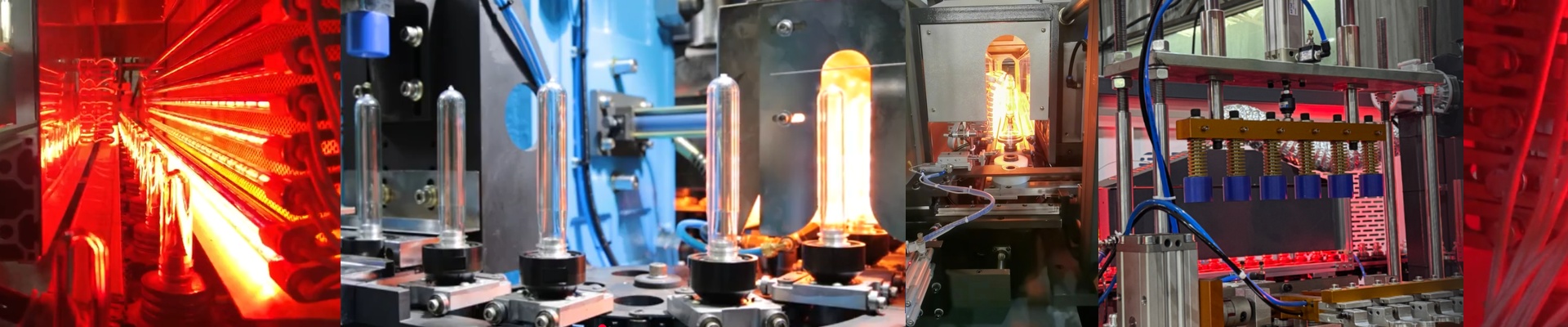
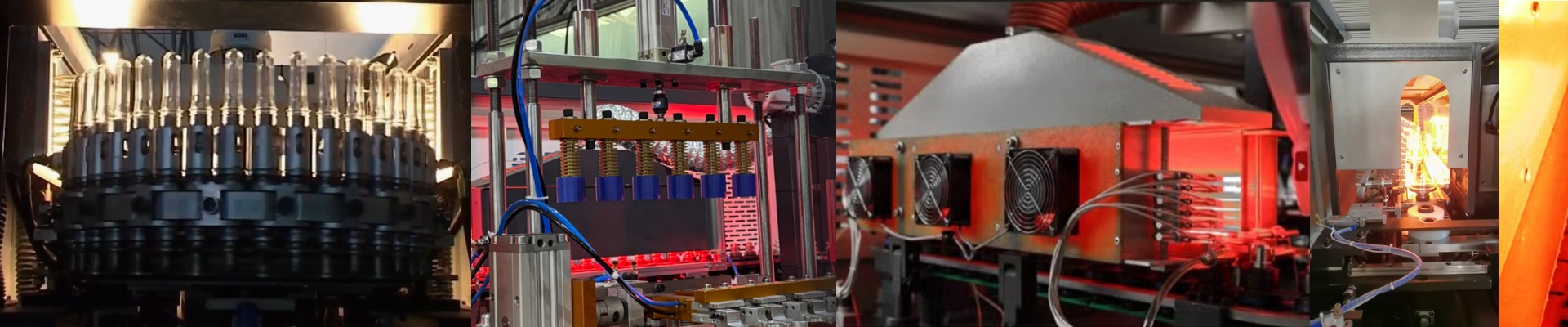
Want more bottles per hour? Stop looking at the blowing machine.
If you’re running a mid-sized operation with some older gear, you probably feel the itch to upgrade your whole line just to get your output up. But here’s a secret: you usually don’t need a brand new machine. Most of the time, the real bottleneck is just the heating oven. If your preforms aren’t hitting that magic temperature consistently, you’re forced to slow the whole carousel down. It’s frustrating. You’ve got the capacity, but the heat just isn’t keeping up. That’s where swapping out your standard lamps for high-density infrared heaters changes the math. The trick is all about heat density. We build our PETC lamps to push out as much short-wave infrared as possible. When you ditch a generic tube for a high-wattage halogen quartz lamp, you’re basically hitting the PET wall with a much harder punch of heat. The plastic reaches its transition temperature way faster. And if you go with a higher voltage—like 400V—you can cram more power into a smaller space. It’s simple. You shave seconds off the heating cycle, and those seconds add up to a lot more bottles by the end of the shift. Getting them into your machine Nobody wants to spend a weekend rewiring a control cabinet. We get that. That’s why we use R7s or Sk15 connectors. They’re designed to be drop-in replacements. You pull the old one out, pop the new one in, and you’re good to go. We also use heavy-wall quartz glass so the tubes don’t bow or warp when things get hot. Plus, we have coated options. These filter out the wavelengths that just waste energy by heating up your machine frame, and instead focus all that power directly onto the plastic. A quick word of caution More heat is great, but it comes with a catch. High-wattage lamps put a bigger load on your power supply and make the inside of the oven a lot toastier. If you throw in a 2500W tube but your cooling fans are clogged with dust or just too small, you’re asking for trouble. You might overheat the housing or end up with “hot spots” on your preforms. Check your airflow first. Make sure your fans are breathing. Once that’s sorted, wire them up, tweak your PID controllers, and watch your cycle times drop. It’s a much cheaper way to speed things up.