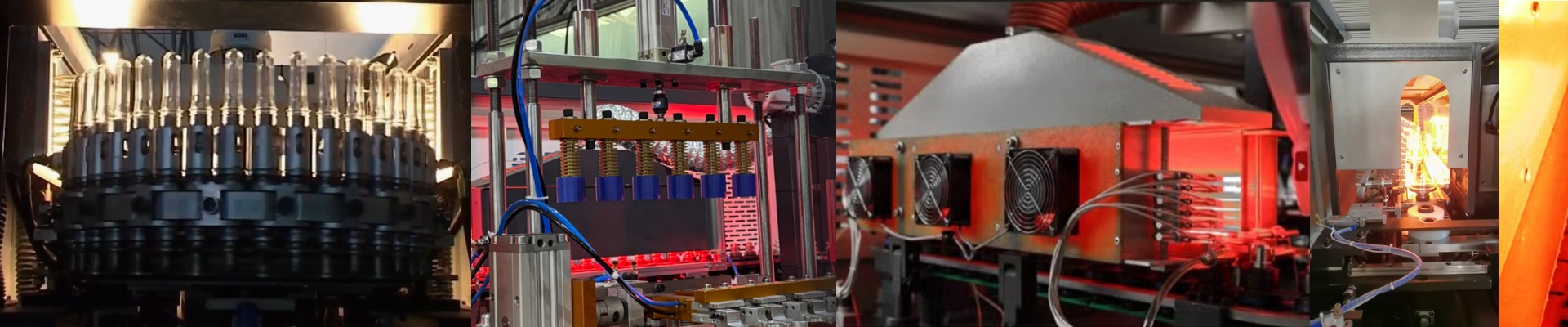
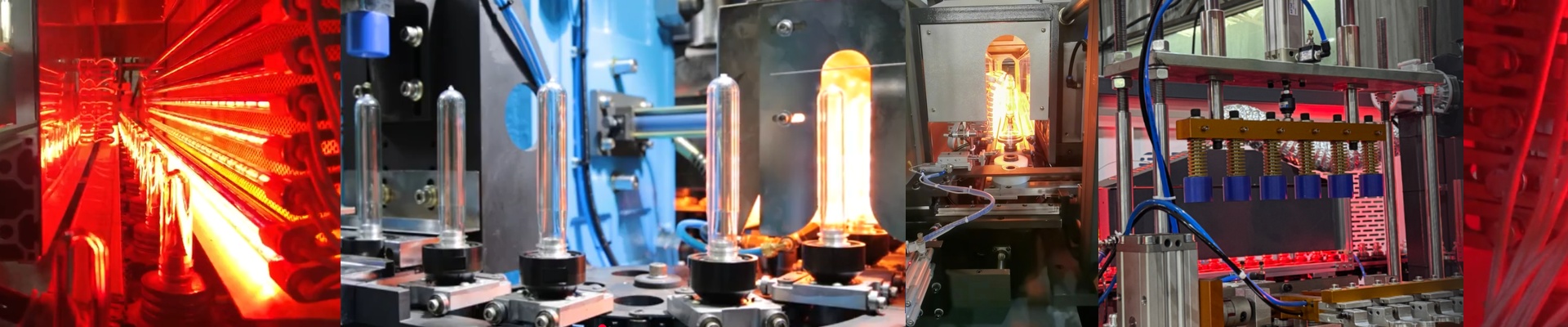
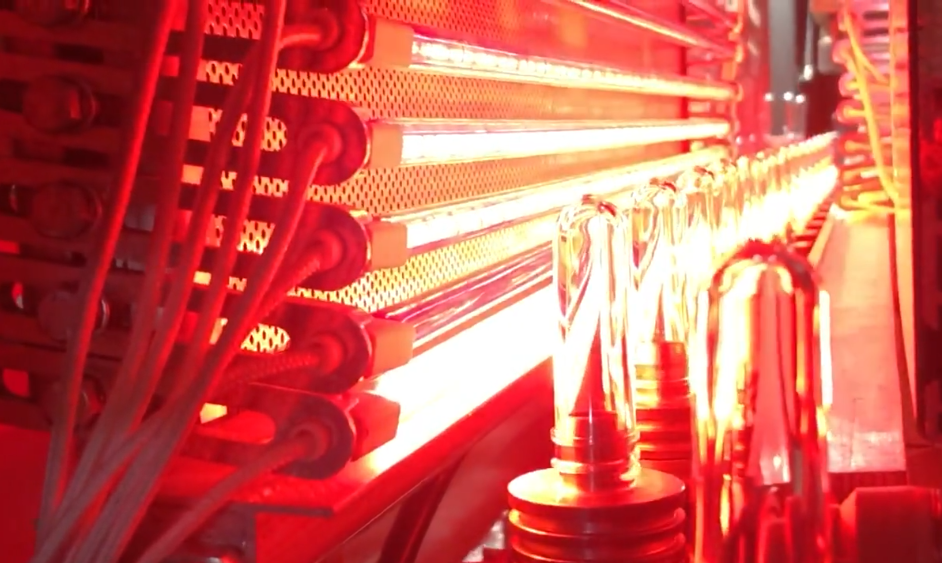
Downtime on the blow molding floor doesn’t just cost time—it costs preforms and cases. I’ve watched Sidel, Krones, SIPA, Husky, SACMI, and Nissei ASB lines go down over a single failed heater lamp. Then the connector runs hot, the wiring softens, and the whole heating tunnel drifts out of profile. You end up chasing voltage drops and uneven stretch, and maintenance hours pile up. What matters, technically We build the heater lamp wiring connector kit around how PET preform heating actually works: short-wave infrared halogen emitters that respond fast and hold a tight spectral profile, matched to the blow molder’s power bus and terminal layout. Specs are chosen to match OEM heating zones—1200–1500 W per lamp, 230/240 V or 115 V configurations, and standard quartz tube lengths so the lamp drops straight into the existing holders without shimming. The wiring is high-temperature silicone or ceramic insulation rated above 600°C. The connector is engineered to sit in the same heat run as the lamp: R7s bases, quartz sockets, and locking contacts that keep resistance low and keep oxidation from taking hold. Why it works on the line In stretch blow molding, preform heating is the gatekeeper for stable output. Spec-matched lamps restore the designed heat density in the heating tunnel, so preforms hit the right temperature band before the blow step. You get more consistent wall thickness, fewer pinhole rejects, and a cycle window you can actually repeat. Energy use drops, too. The emitter warms quickly, spends less time idling, and the wiring stays cool enough that you don’t bleed losses into the system. And replacements become planned jobs instead of midnight call-ins. What you need to know Match lamp length and wattage to the original zone design, and confirm voltage and connector style against your blow molder’s terminal block. Clearances around the quartz tube and reflector are tight—keep wiring off hot surfaces with proper clips and a little slack, and verify lamp orientation so you don’t bake in hot spots. If the line runs 24/7, pencil in an inspection at 3,000–4,000 hours. Catch early discoloration and contact wear before they turn into drift.