Stop Chasing Your Tail with SIG Blomax Tube Failures
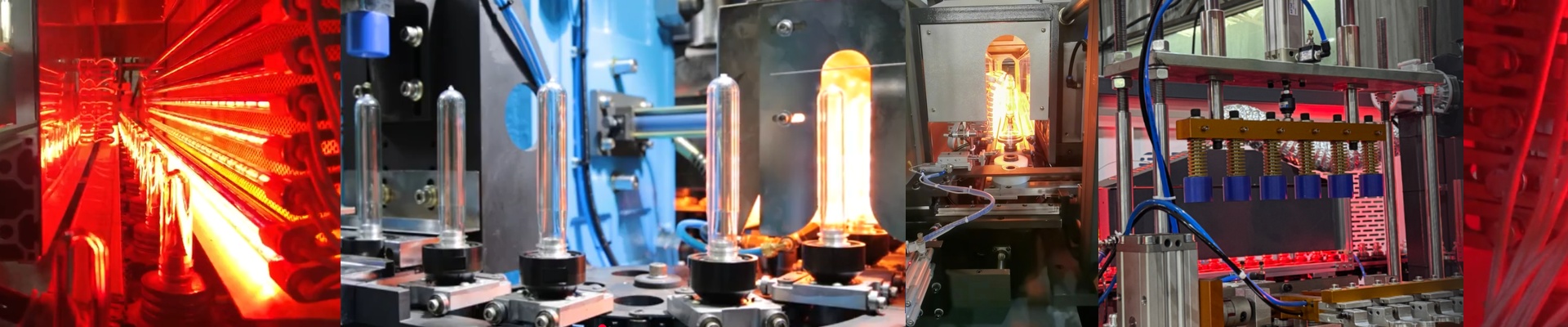
If you’re constantly swapping out infrared tubes on your SIG Blomax line, you know exactly how frustrating it is. It feels like as soon as you get the line humming, something pops and you’re back to square one. Most people assume it’s a power issue. It usually isn’t. The real culprit? Stress. High-speed production is brutal. Between the constant vibration and the wild swings in temperature, standard replacement tubes just can’t keep up. They aren’t built for the chaos of a real shop floor. Why they actually break Here’s the thing: a lot of these heaters use quartz that’s way too thin or have fits that are just slightly off. When things get hot, the tungsten filament can sag. If it touches the tube wall? Game over. Burnout happens almost instantly. We decided to fix that by beefing things up. We use heavy-wall quartz and make sure the filament is centered perfectly. It’s a simple change, but it keeps the internals from touching the glass, which means your tubes actually last. No headaches during install We built these to fit the KRONES footprint exactly. That means you can just slide them in. You won’t have to mess with your wiring, fight with your brackets, or spend your afternoon modifying the machine. Whether you’re dealing with specific wattage for PET heating or high-voltage setups, they fit like the originals. We also reinforced the end-cap seals so the halogen gas stays where it belongs, keeping your light output steady for much longer. One thing to keep in mind Because we added more structural reinforcement, the tubes have a bit more thermal mass. What does that mean for you? The time it takes to hit operating temperature might shift a tiny bit. If you’re moving from a cheap, thin-wall generic tube to these reinforced ones, just double-check your PID settings to make sure everything is dialed in. We make these for the engineers who are just plain tired of replacing lamps every few months. It’s time to stop treating these like disposable parts and start using something that can actually handle the heat.