Making Bathroom Heaters That Don’t Blind You
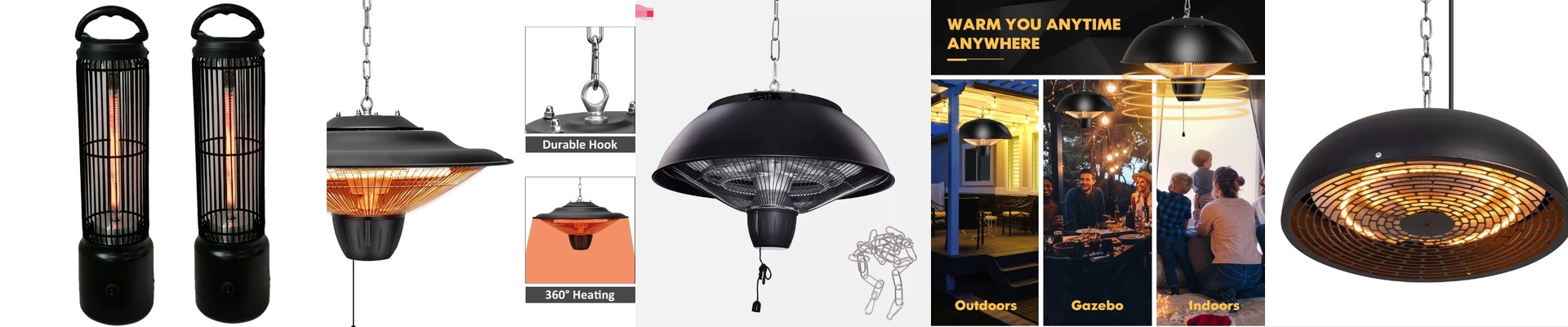
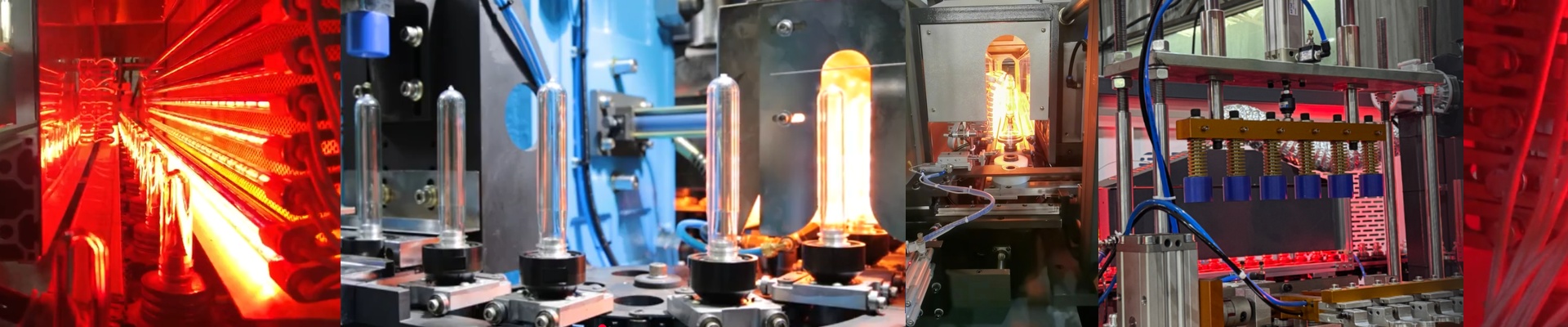
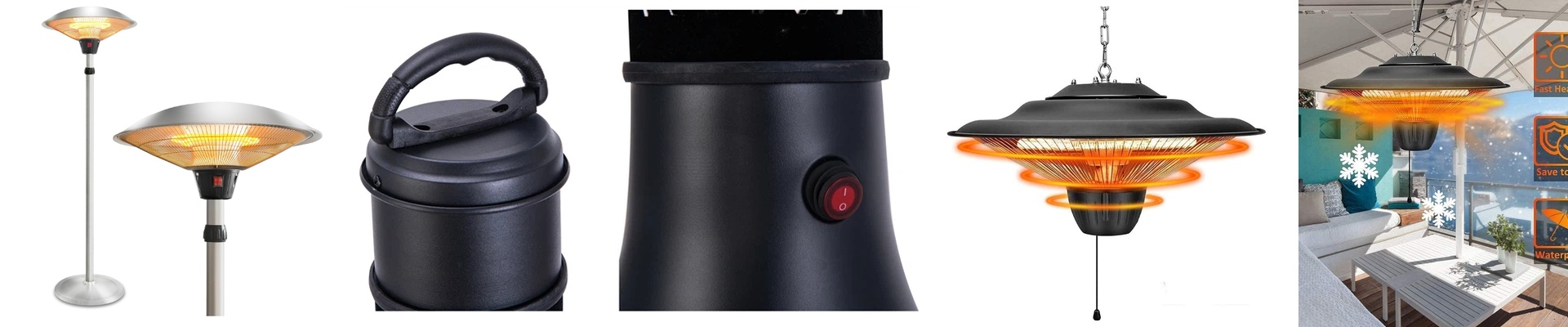
Bathrooms are tough on electronics. You’ve got steam everywhere and constant humidity, which is a nightmare for electrical contacts. To keep things safe, we wrap our emitters in quartz glass and seal them tight. But there’s another problem: that blinding, harsh glare you get from cheap halogen lamps. Nobody wants to feel like they’re under a stadium spotlight while they’re brushing their teeth. Keeping it easy on the eyes Most infrared lamps just blast out a wide spectrum of light. It’s aggressive. When you’re dealing with kids or infants in the bath, that’s just not okay. So, we tweak things. By using special coatings or doped quartz, we filter out those harsh UV peaks and the blinding visible light. We push the energy into the mid-to-long-wave infrared bands instead. The result? You feel the warmth on your skin immediately, but the light stays soft. No retinal stress, no squinting. Just a cozy glow. The battle between water and heat Here’s the thing: being “waterproof” isn’t just about the bulb. It’s all about the seal around the housing. We use tempered glass and high-temp gaskets to keep the moisture out. But these lamps get incredibly hot in a very small space. If the housing doesn’t breathe, the heat builds up and can actually warp those seals. It’s a delicate balance—keeping the water out without trapping too much heat inside. Fast heat, longer life We designed these to warm up fast. I mean really fast. You hit the switch, and the room feels warm in seconds. The downside is that this kind of intensity puts a lot of pressure on the filament. To stop the wire from thinning out and snapping, we fill the lamps with halogen gas. This actually pushes the tungsten back onto the filament, which keeps the bulb from burning out prematurely. Now, there’s always a trade-off. The more we filter the light to protect your eyes, the more we clip the raw heating power. We’ve spent a lot of time finding that “sweet spot”—where it’s perfectly safe for a baby’s eyes, but still puts out enough heat to keep you from shivering during a January morning.