
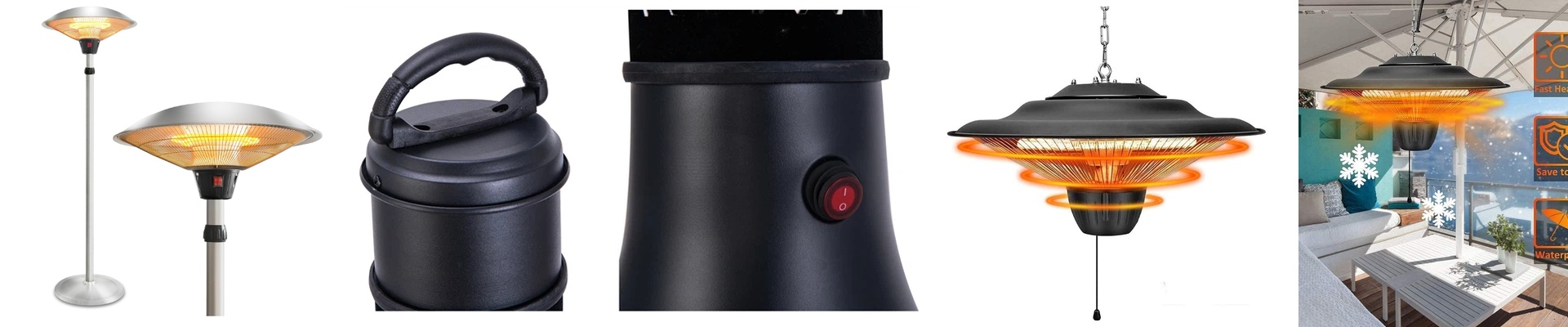


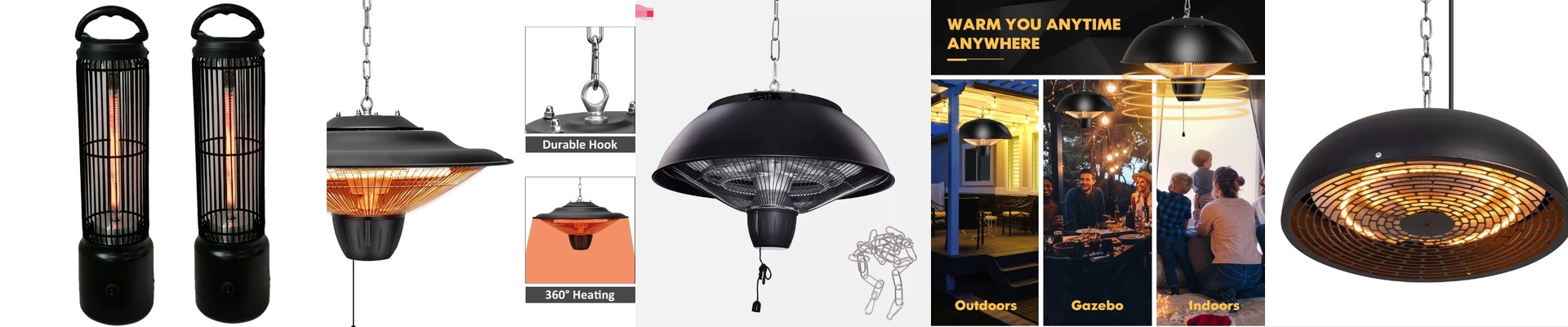

Cold floors and drafty corners do more than make a house feel chilly—they quietly eat away at comfort. When winter settles in, conventional heating warms the air, not you. That’s why you can feel tired and tense even when the thermostat reads fine. A heater that delivers specific infrared wavelengths changes the feel of the room. It warms people and surfaces directly, the way the sun warms your skin on a cool day.
What matters, technically
Infrared warmth isn’t one-size-fits-all. We build our units around medium-wave infrared, a band that penetrates more deeply than short-wave while staying gentler on the eyes and skin. The core is a carbon fiber element housed in a quartz tube, chosen for fast heat-up and stable output. In practice, you feel warmth within seconds, not minutes, and the heat profile stays even across the room.
Why this works in a home
In a home setting, you can feel the difference. The radiant warmth supports circulation and helps muscles relax, which can ease the stiffness that creeps in on cold mornings. Because the heat targets people and furnishings first, you can run the heater at lower ambient settings and still feel cozy. That often translates to lower energy use compared with air-heavy systems. The payoff is a space that feels genuinely comfortable, not just numerically warm—and that quiet sense of ease is what makes winter nights feel like a relief.
Things to know
Infrared heat is directional, so placement matters. Aim the unit where you sit, sleep, or work, and consider a second unit for larger rooms. Keep the heater at least three feet from combustible materials and use only outlets rated for the wattage. If you need to heat an open or drafty area, pair the infrared heater with a small air-moving fan to blend warmth more evenly.