


Technical Deep-Dive: Power, Voltage, and Dimensions
We built this electric radiator heater around a high-intensity halogen tube. It’s made for places where space is tight and you absolutely can’t compromise on heat density. We went with a 400V rating so it can run straight off standard industrial power. This is a smart move, because it lowers the current draw compared to a 230V version. Less current means you don’t have to overthink your wiring. You can keep the conductors and contacts smaller, which makes the whole setup simpler and less stressful on the gear. And the size? It’s compact. At 300mm long and just 15mm in diameter, it slips into those cramped spots where other heaters just won’t fit. The 2500W power gives you a seriously fast heat-up. Just be ready for the heat it puts out—your surrounding equipment needs to be able to handle that thermal load.
Material & Design: Coated Halogen and R7s Connectors
Inside, the halogen element is housed in a quartz envelope. The coating is there to manage the infrared output and keep the filament environment stable. This design fights off blackening, so the heat output stays consistent over the long haul. Then there’s the R7s connector. It’s a direct, bi-pin setup that locks the tube in place fast. It carries the full current without needing any extra adapters. It’s a straight drop-in fit for many industrial heater fixtures, which makes swapping one out on the shop floor quick and painless.
Application & Benefits: Tough Heat for Tough Jobs
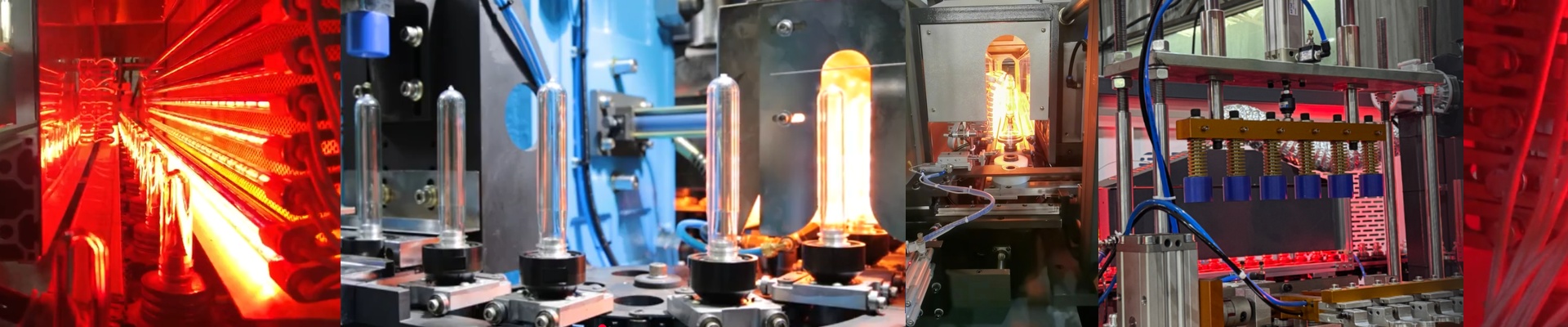
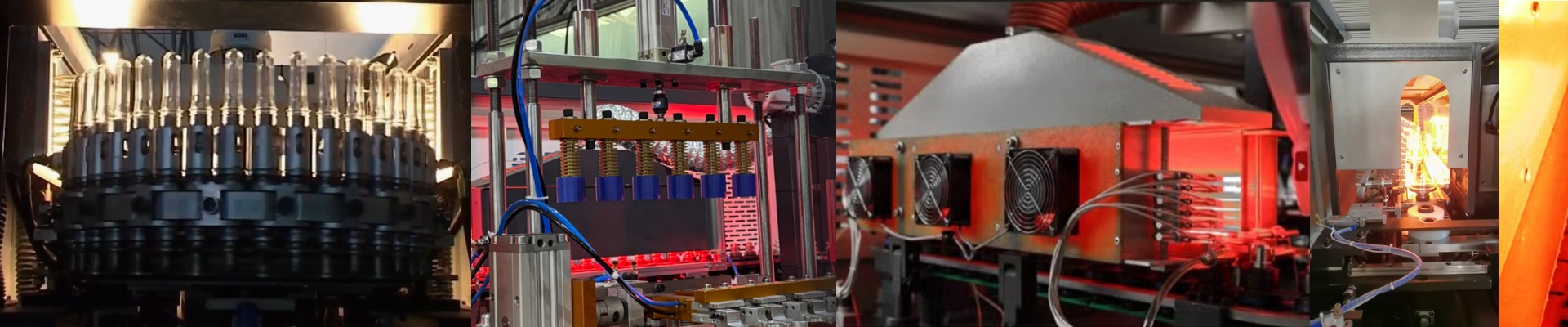
This is the configuration you reach for when you need heat that’s fast, focused, and unrelenting—think drying, pre-heating, or plastic processing. The high watt density means you get that immediate response, and the 400V setup keeps your electrical layout clean. But here’s the reality check: that kind of power demands proper shielding and cooling. Plan your guarding and airflow from the start, and this heater will take the beating without giving up early.