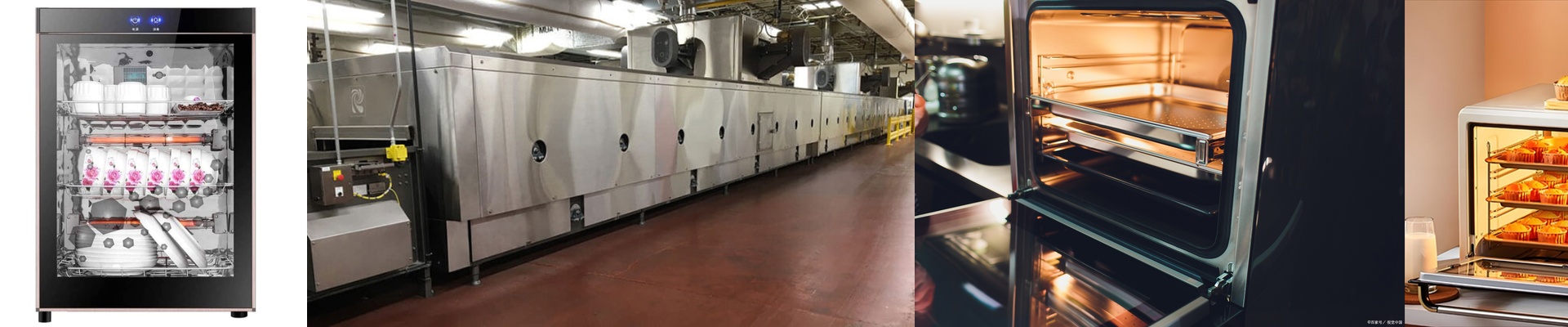
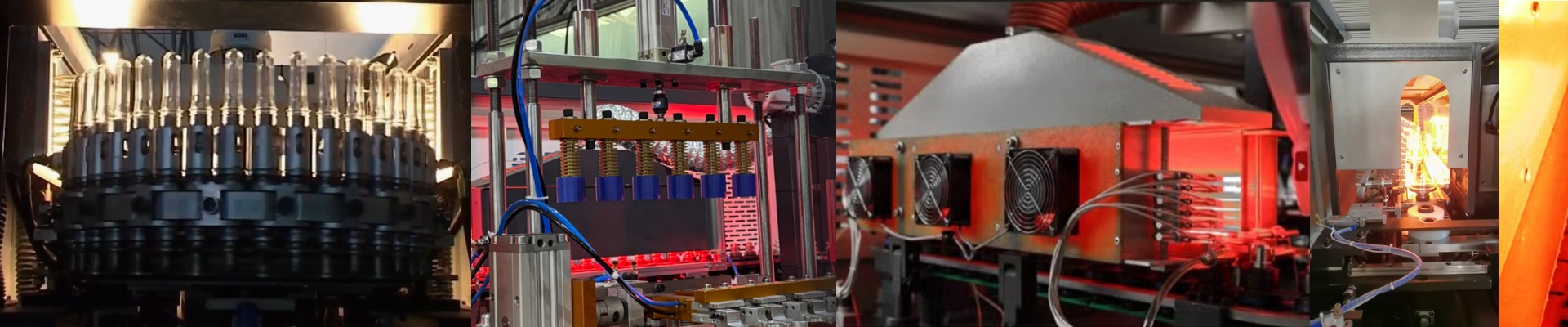
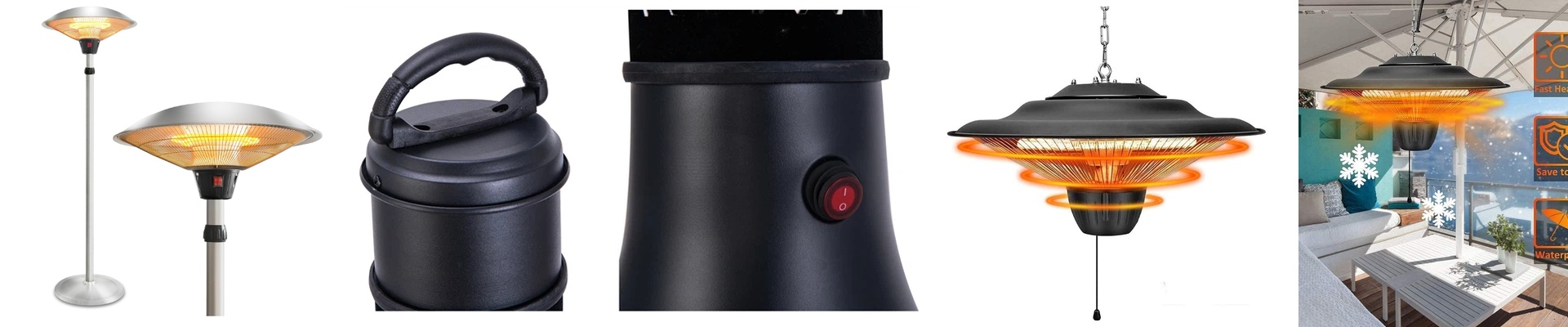
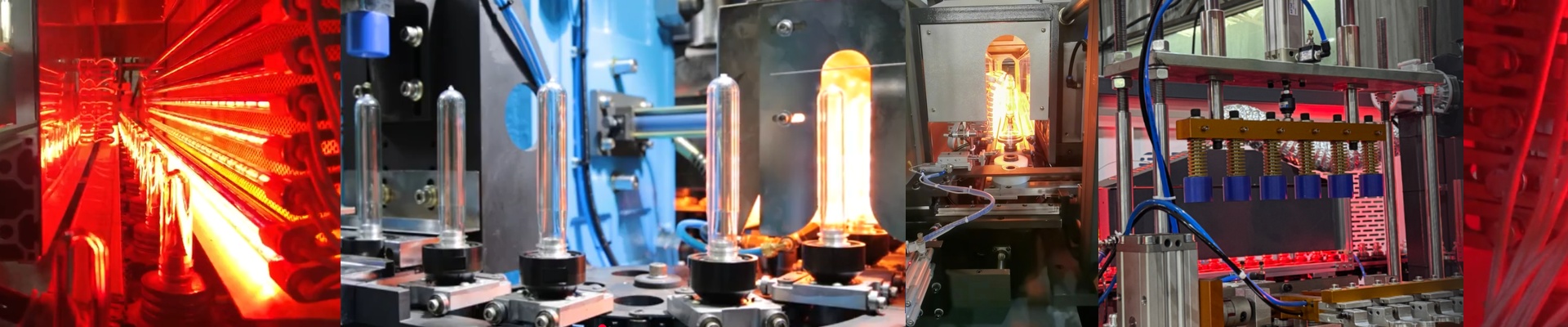
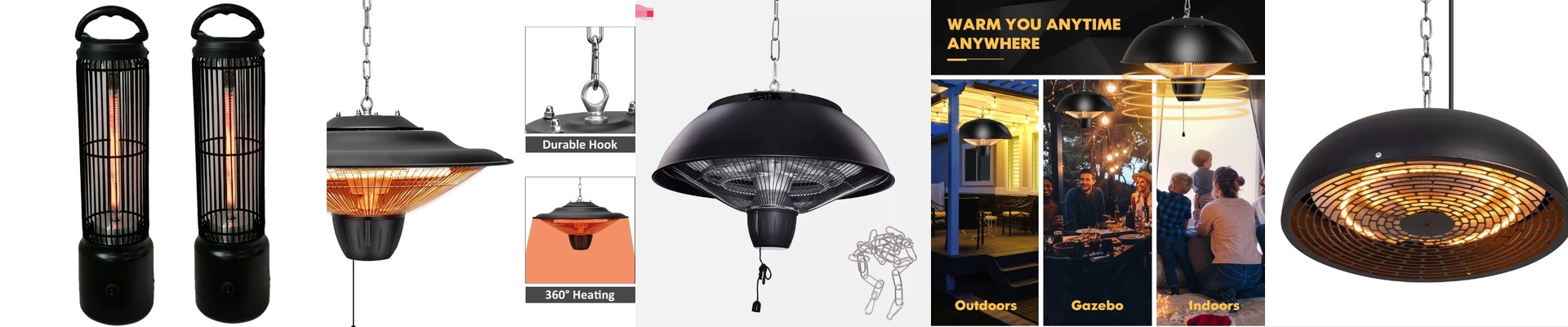

Once service hits, you need reheating that’s fast—without turning the pizza into a hockey puck. That’s why we went with a heat-bridge halogen bulb for reheat duty. Standard heating elements often leave a gap: the top surface gets hot, but the middle sits dead.
What’s actually going on under the hood
The bulb uses a quartz envelope with a short-wave halogen filament, so it comes up to temperature fast and stays steady. A heat-bridge ceramic fixture directs the energy into the baking chamber, not into the oven frame. You’ll see about a 3-second response when the setpoint changes, and a radiant field that holds the stone hearth or pan surface within ±2°C of the thermostat. In a 6000 W setup, the output stays focused on the food path, not the walls—so crust recovery is repeatable, and caramelization stays controlled.
Why this matters on a busy line
When tickets are stacking up, the reheat cycle has to keep pace. This halogen bulb brings a deck oven or rotary oven back to service temperature without long soak times, so orders move and texture stays right. You get consistent results across the load because the radiant pattern covers the hot zone evenly—no scorched edges, no cold centers. The quick recovery also cuts idle energy between orders, so per-service power stays lower while the oven stays ready.
A few shop-floor realities
Halogen bulbs perform best when the oven cavity is clean and reflective. Grease films eat radiant energy and cause uneven spots. Clearance matters, too—keep proper distance from shields and pans so you don’t cook a hot spot into the equipment.
Installation is straightforward, but match the voltage and socket type to your oven’s wiring. And keep spares on hand. Like any high-output lamp, these have a finite service life when they’re cycling thermally all night.